
How to Avoid Decor Disasters – Holiday Edition

There is no escaping it now, the holidays are upon us. No matter how you celebrate, you have likely added some holiday décor to your home. Lights, candles and festive plants add a wonderful, warm ambiance to areas of your home but take some extra steps to ensure that your décor pieces don’t wreak havoc on your holiday.

Avoiding Decor Disasters in Oregon:

  • Holiday trees: Holiday trees, or bushes, are a common theme in many homes around our state. They may be opulent or simple, real or fake, faux snowed or natural. Each holiday tree requires a level of care to make sure that it does not turn into a fire hazard. If your tree is real, do not forget to water it! Trees will naturally lose moisture over the course of their holiday run. Household pets may steal water from under the tree and running the heater or fireplace may dry it out as well. A dry holiday tree can become a fire hazard if left unattended. According to the National Fire Protection Association, “Between 2007-2011, U.S. fire departments responded to an average of 230 home fires that started with Christmas trees, per year.” If your tree is dry, make sure to water it regularly and turn off holiday lights. It is also a best practice to not place a holiday tree near a fireplace or heater.
  • Lights: Holiday lights are used inside and outside of homes to brighten up the night. When placing your lights, make sure to place the correct type for the environment you are in. Inside lights for inside your home, outdoor lights for outside of your home or indoor/outdoor lights for either. If your lights have lived in storage since the last holiday, make sure to check that they are in proper working order free of wire frays or cuts. Frays or cuts in the wires could result in a fire under the right conditions.
  • Plants: Holiday plants are all over the stores. Mistletoe and holly, wreathes and poinsettias are often incorporated into a holiday décor scheme. There is a caveat: mistletoe, holly and poinsettias are all poisonous to both pets and people. If you plan on making any of these plants apart of your holiday decorations, make sure that they are up and out of the way, free from little hands and pet nibbles. If a child or adult happens to ingest any of these plants, a call to Poison Control (800-222-1222) is a must. If it is your pet, call your vet or local emergency vet immediately.

By taking a few extra steps like unplugging your holiday lights before you go to bed or when you leave the house, can help you avoid a decor disaster this holiday season. Before the holiday décor goes up, make sure to talk to your local, independent insurance agents in Klamath Falls, OR about your homeowner’s insurance. Pacific Ridge Insurance can assist you with any questions you may have, like “Does my homeowner’ insurance cover accidental fires?” Their expert agents can walk you through your policy and even add additional coverage like personal umbrella insurance should you want extra protection beyond your homeowner’s insurance. Be sure to check out their insurance website 24/7 for the other insurance products they sell and for more holiday tips visit the U.S. Consumer Product Safety Commission tip sheet.
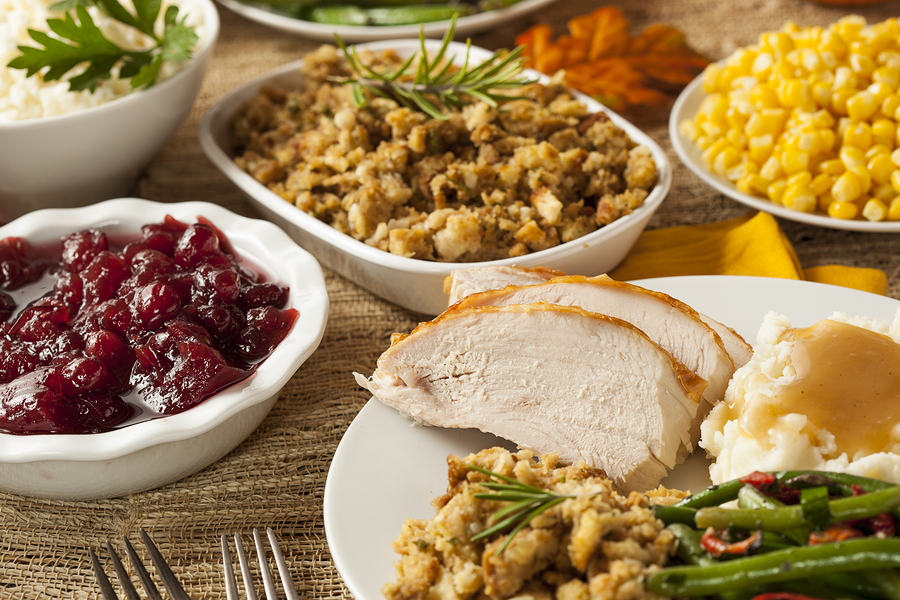
Keep your gathering free of holiday safety issues!

Planning on hosting a Thanksgiving feast this year? While you are busy getting the ingredients, décor and all the last minute details put together, don’t forget to think about some of the safety issues that surround hosting a gathering.

Holiday Safety Issues in Oregon:

  • The food: No bones about it, Thanksgiving usually includes a lot of food. Food prep safety is very important when dealing with the main event: the turkey. Unless you have purchased a fresh turkey (lucky you!) you will have to unthaw your turkey which can take quite a while. According to the United States Department of Agriculture Food Safety and Inspection Service, the two best – and safest – methods for unthawing a turkey is in the fridge with a temperature of 40 degrees or below. To unthaw a turkey with this method, you will need to allow 24 hours for every four to five pounds of bird. The other option is a cold water bath in the sink, for which you should allow 30 minutes per pound of bird to achieve total defrost. For either of these methods, you will need to make sure that your work/storage space for the turkey is cleaned and sanitized. Make sure to wash your hands well after handling raw meat, as you could spread bacteria like salmonella to other dishes on your table. If you plan on stuffing your turkey with dressing, make sure that the internal temperature of your dressing reaches at least 165 degrees Fahrenheit to help ensure safety. Your turkey should also be cooked to at least 165 degrees Fahrenheit, and the best spots to check the turkey’s internal temperature are the thick portions of the breast, thigh and wing. After your feast has been consumed, take special care to ensure your food is cooled and put away properly as according to the Centers for Disease Control food poisoning spikes during the holidays.
  • The Party: There are so many elements that go into a fun Thanksgiving celebration. Whether your gathering includes lots of décor, watching football or enjoying some spirits, there are a few things that you should be aware of when hosting guests. No one wants to think that a guest will be injured at their gathering, but it can be an unfortunate reality for some. There are a few things that you can do to help mitigate the chance that one of your guests will be injured during your gathering. Make sure that all décor is out of range for tripping. This may mean rearranging furniture or removing floor-based décor items. If you plan on having open flames during your celebration, take special care to make sure that flames are away from areas where they can be easily knocked over or catch other décor items on fire.

We hope that your Thanksgiving feast goes off without any holiday safety issues and everyone makes it home safely with full bellies. Before your celebration, talk to your Klamath Falls, OR insurance agent, Pacific Ridge Insurance.  Your local insurance experts at Pacific Ridge Insurance can assist you with ensuring that your home insurance policy includes coverage for fires and liability. You can also increase your liability protection with a personal umbrella insurance policy, just ask your agent if your situation may benefit from a policy like this. You can also visit their insurance website 24/7 to see about the other insurance products they sell.

Does my home or auto insurance cover hail damage?

Spring and summer bring wonderful warm (sometimes hot) weather. With that warmer weather, the potential for thunder and hail storms increases. According to the Insurance Information Institute, the U.S. saw more than 5,450 hail related weather events in 2013. While thunderstorms may rattle your windows a bit, hail can do serious damage to your home and vehicles. There are a few ways you can prepare and protect yourself, your home and vehicles before a hail storm hits.

Hail Preparation in Oregon:

  • What the hail: As defined from weather.com, hail is “Hail is precipitation in the form of a chunk of ice that can fall from a cumulonimbus cloud. Usually associated with multicell, supercell and cold front induced squall line thunderstorms, most hail falls from the central region of a cloud in a severe storm.“ Hail can range from small marble-sized pellets to the size of a softball. While hailstorms may come with little-to-no warning, being prepared ahead of time is the best defense against hailstorm.
  • Prepare your home: Your home is a large target for hail. Roofs can be severely damaged and if they are not in good repair, large enough hail could leave holes. Making sure that your roof is in good repair and all shingles/tiles are in place. This may help mitigate the damage to the roof should a large hailstorm sweep through your area. Windows are also at risk for damage. Hail (even small hail) can crack or shatter windows. Having storm shutters (or even regular shutters) help protect windows from large hail damage. A homeowner’s insurance policy with may cover the damage from hailstorms, however you should check with your insurance agent for limitations.
  • Preparing your vehicle: Unfortunately, there is not much you can do to protect your vehicles (RVs, cars, trucks, motorcycles, etc.) from hail damage. Damage to vehicles can range from small dents and dings to shattered windshields. The only real remedy is parking them undercover in a garage or carport. You can help reduce the cost of repair damage should your vehicle get dented in hailstorm with an auto insurance policy with comprehensive coverage. Your standard liability-only policy will not cover damage associated with hail damage. Of course, limitations and deductibles may apply.
  • Next steps: If your home or vehicle is damaged during a hailstorm, there are a few things that you should do.
    • Take photos of the damage.
    • Report the claim to your insurance carrier.
    • Temporarily mitigate your damages (cover the damage with a tarp, etc.). Your insurance carrier should follow up quickly and often can provide you with recommendations for contractors and auto repair shops.

While large hailstorms are not a common occurrence in Klamath Falls, OR, it is always good to be prepared. Ask the insurance experts at Pacific Ridge Insurance if your home and auto policy carry comprehensive coverage that can help protect you from inclement weather including coverage for hail damage. You can visit their insurance website 24/7 and your Pacific Ridge agent can also assist you with adding additional insurance policies like flood or earthquake.