
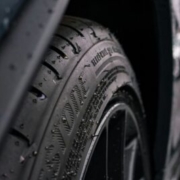
Tire Safety
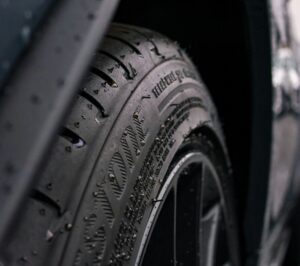 Ensuring the safety of your vehicle extends beyond just maintaining its mechanical components; it also involves regularly inspecting your tires for signs of wear and potential hazards. While tire pressure is important, there are other crucial aspects of tire safety that deserve attention. Familiarize yourself with these five signs indicating that it may be time to replace your tires, and prioritize your safety on the road.
- Tread Wear: The most obvious yet often overlooked aspect of tire safety is the tread depth. Bald tires pose significant risks, including hydroplaning, reduced stopping ability, and increased vulnerability to road hazards. Take the time to measure your tread depth, either at a tire shop or using the Tread Wear indicator present on most tires. If the tread has worn down to this indicator’s level, it indicates that your tires are no longer safe to drive on and should be replaced promptly.
- Cracks: Tires that have been in use for an extended period or have remained stationary for long periods, such as those on travel or utility trailers, can develop cracks in the tread. Examine the spaces between the tread carefully to detect any cracks. If you notice cracks, your tires are at a higher risk of experiencing a blowout, emphasizing the need for immediate replacement.
- Sidewall Gouges: Many of us have inadvertently hit a curb or a deep pothole while driving. When inspecting your tires, pay close attention to the sidewalls. If you spot a gouge or cut in the sidewall, it is a clear indication that the tire should be replaced. Sidewalls are thinner than the tread area and cannot be effectively repaired, making replacement necessary to maintain tire integrity.
- Uneven Wear: Improper vehicle alignment can lead to uneven tire wear, resulting in your vehicle pulling to one side while driving. During tire inspections, ensure that the tires are wearing evenly across their surface. Additionally, it is advisable to align your vehicle every 30,000 miles or as recommended by your vehicle manufacturer to prevent uneven wear patterns and maintain optimal handling.
- Spare Tire Usage: Spare tires are designed for temporary use only, primarily intended to get you to a safe location or a tire shop. Prolonged driving on a spare tire is not recommended. If you find yourself relying on a spare tire, it is essential to replace it with a regular tire as soon as possible to ensure adequate safety and performance on the road.
Driving comes with inherent risks, but driving on tires that are unfit for the road significantly increases those risks. By regularly inspecting your vehicle’s tires, you can identify potential hazards, prevent accidents, and avoid dangerous situations such as hydroplaning. At our agency, your safety is our top priority, and we are committed to providing you with the right insurance coverage. If you have any questions or concerns regarding your auto or other vehicle insurance, please don’t hesitate to contact us. Our knowledgeable team is ready to assist you, whether by reviewing your current policy or providing a personalized insurance quote. Drive safely and confidently with well-maintained tires and adequate insurance protection.

 For those of us who have a passion for collecting classic cars, it’s important to have an insurance policy that aligns with our specific use and ensures the appropriate value coverage for these valuable assets. Insuring a classic car is different from insuring your everyday vehicle. Classic car insurance policies are typically more affordable and are based on an agreed value. These policies can be tailored to suit your specific vehicle, restoration stage, or usage. Here are some examples of how you can customize your classic car insurance policy:
 Owning a swimming pool is a delightful luxury that requires diligent maintenance, but the joy it brings on a scorching summer day is truly priceless. If you have children, the pool quickly becomes their favorite gathering spot with friends. While owning a swimming pool can offer a fantastic experience, it also comes with a unique insurance liability risk.