
Winterize your Klamath Falls, OR home to help avoid homeowners insurance claim

The weather is starting to change, we are entering those warm days of fall where the mornings are brisk and the afternoons are warm. The leaves are starting to turn orange and yellow here in Klamath Falls, Oregon, the kids are back in school and it will soon be time to start making plans for the holidays as winter is on its way. Before winter arrives, there is plenty of time to prep your home, both inside and out, for the coming cold months. Some simple winterization prep can save you from a costly homeowner’s insurance claim from frozen pipes or huge heating bills from drafty spots in your home.

Winterizing your home in Oregon:

  • Water, water everywhere: Gutters can get jammed up with leaves, branches and other debris. Once the leaves have fallen from the trees, grab a ladder and gently remove the debris from the gutters. Then, rinse the bottoms of the gutter to ensure good flow of water for those winter showers. If your gutters become clogged, rainwater can accumulate around the foundation of your home and possibly seep into the foundation or basement, in which case, you should check for cracks in your foundation and fill them, pronto. A flooded basement can result in a costly homeowner’s insurance claim. Also, anytime you are using a ladder or plan to be on your roof, please let someone know or have someone working with you. An extra pair of hands and eyes can help prevent painful accidents.
  • Where is that draft coming from: The cold winter draft that is leaking in around your doors, windows and from your attic. Take a candle or piece of incense around your home on a windy day and go near doors, windows and attic to look for wind making its way into your home. If your attic has less than 12” of insulation, regardless of where in the country, you should consider adding more. It is an easy do-it-yourself project; any home improvement store should have the tools to help you complete that. It you have single-pane windows you can purchase an inexpensive window insulation kit to add another “pane” to the glass. This keeps the cold air trapped between another layer instead of entering your home. Other areas drafts can creep in are: recessed lighting, door frames and electrical outlets. A variety of caulks, gaskets and weather-stripping is available at any local hardware store.
  • Keep warm:  Do your heating bills spike up during the winter? Aside from performing the aforementioned “draft tests” checking that heating equipment is in good repair may help keep that heating bill down. The furnace can run much more efficiently if it has a clean filter in it. Consider changing your filter once a month. They are inexpensive and pay for themselves in efficiency gains. Also think about checking out your duct insulation. Ducting in homes can become exposed from being bumped in the attic or crawlspace over time and there are huge efficiency losses from this. Ensure your ducts are covered with insulation and not exposed. Also, check for any leaks in connections while the system is running. Speaking of exposure, pipes that are exposed during the cold winter may freeze and explode if not properly insulated. Protect any exposed water pipes with insulation, if a pipe bursts in winter it can cause thousands of dollars in damages. It takes just a few minute to insulate your pipes, a step that can save a headache down the road.
  • Do you smell smoke: Turning on the fireplace is a winter tradition, whether it is a gas or natural wood fireplace. It can also be a hazard if your chimney is dirty. A cleaned chimney will remove creosote, a flammable byproduct of burning wood. Keep your home safe from chimney fires by hiring a professional chimney sweep to remove any build-up. Make sure you are prepared if a fire does break out with a fire extinguisher (it may qualify you for a discount on your homeowners insurance in Klamath Falls, Oregon) and make sure you have fresh batteries in your smoke detectors. It is always a good idea to check your batteries in the smoke detectors a couple times per year. Count this as one.

While you are taking the time to prep your home for the upcoming winter, talk to your licensed insurance agent in Klamath Falls, OR to ensure the homeowners insurance covers events like floods or fires that may occur during the winter months. Pacific Ridge Insurance in Klamath Falls, Oregon can guide you through your homeowner’s insurance policy and add additional coverages like flood insurance and earthquake insurance. Their years of insurance experience can save you a bundle, and they live right in your area, so know first-hand what your insurance needs might be.  You can also visit their insurance website 24/7 to learn more about the other insurance products they offer.
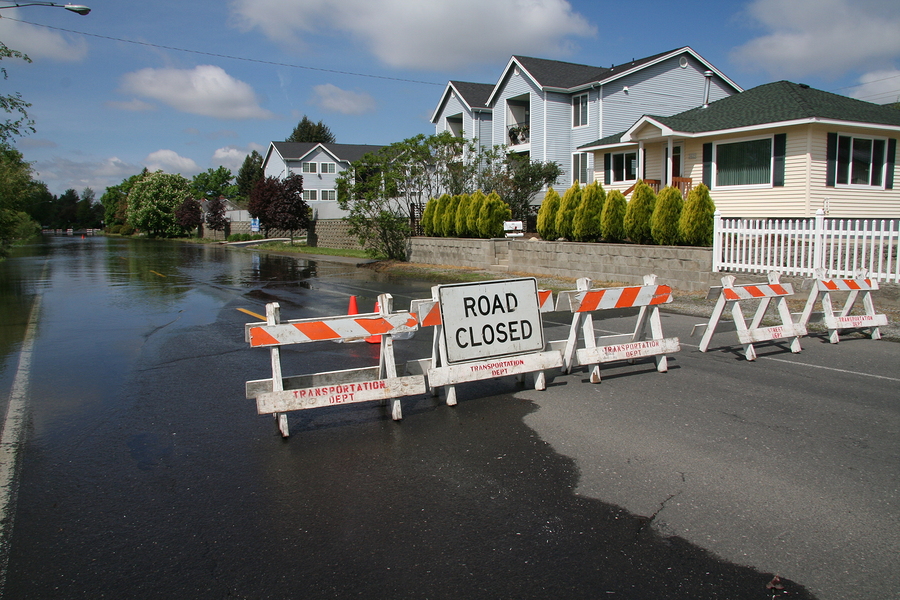
Protection for a Rainy Day: Flood Insurance in Klamath Falls, OR

Typically when we think of things like wildfires or snowstorms, we confine them to seasons. Not all natural disasters are season specific and events like massive rainstorms can occur with the right conditions any time of year. Keeping a flood insurance policy, even if you are not in a high-risk area may be a good idea.

The definition of a flood can be tricky as most people associate a flood with a large body of water overflowing wreaking havoc throughout an area, but floods come in many different shapes and sizes. In terms of flood insurance, any water that comes into your home from an outside source (not a burst pipe, sewer back-up, etc.) may be considered a flood. There are easy ways to find out if you are in a high-risk area for floods and what is covered under a flood insurance policy in Klamath Falls, Oregon.

The ins-and-outs of flood insurance in Oregon:

  • What is a flood: As previously stated, in terms of insurance, a flood is typically water from an outside source coming into your home or business that is not a result of a burst pipe, sewer back-up or other excluded events.  Localized flooding in your home can occur when outside drains become clogged with leaves or debris, when a water main breaks or a storm surge comes ashore from a tropical storm or hurricane. High-risk areas include those living at or below sea-level, those living within the flood plain of a river or those who live in areas that get monsoon-like storm conditions. These areas may be high-risk, but flooding can occur in any neighborhood.
  • Flood Insurance: Purchasing flood insurance can be done through your local independent insurance agency, but it is all federally insured by FEMA. Based on historical trends and flood maps, high-risk areas are determined as those that “have a 1 in 4 chance of flooding during a 30-year mortgage,” according to Floodsmart.gov. A flood insurance premium is based on several factors, like flood risk area, age of the home, number of floors and the amount of coverage you decide upon. The typical policy in a lower-risk can be as low as $129 per year and will go up from there depending on the risk. It should be noted that after purchasing a flood insurance policy, there is a 30-day waiting period, so if you are considering purchasing flood insurance, the sooner the process is started the better.
  • What is covered: Flood damage to a home is costly. Depending on the area of the home taking on water, the costs can be hundreds of thousands of dollars. Carpets may need to be replaced or cleaned, dry wall replaced, appliances, furniture and the list goes on. If the flood is severe enough the home may need to be assessed for structural or electrical damage.

If you think you may need flood insurance, talk to your licensed insurance agent in Klamath Falls, OR. Pacific Ridge Insurance in Klamath Falls, Oregon can guide you through purchasing a flood insurance policy and offers additional lines of insurance like home insurance and earthquake insurance. Their years of insurance experience can save you a bundle, and they live right in your area, so know first-hand what your insurance needs might be.  You can also visit their insurance website 24/7 to learn more about the other insurance products they offer.


Don’t get burned: Wildfire Insurance and a comprehensive Homeowner’s Insurance policy

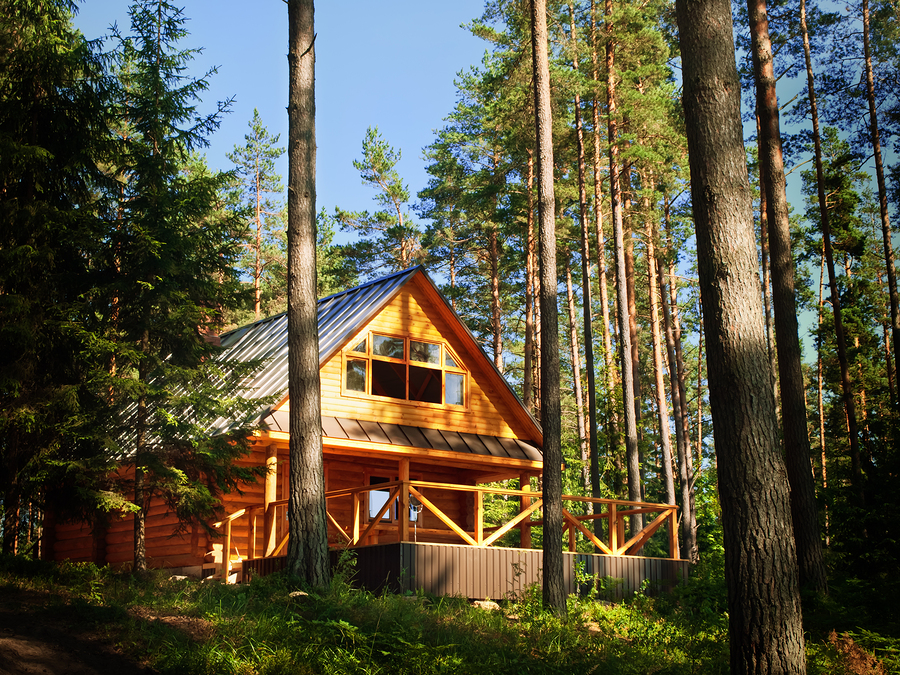
The heat of the summer is celebrated with sunglasses, board shorts and boating, and while it can be quite warm, the summer season is just downright pleasant in Klamath Falls, Oregon. But the summer heat does come at a cost. Summer is also fire season and each year millions of acres across the country are burned. It is not just forests or brush plains that are destroyed, homes and businesses that get in the fire’s path are consumed as well. According to the National Interagency Fire Center, wildfires burned more than 9.3 million acres around the country in 2012. The 2013 fire season has started off with destructive blazes in California, Colorado, Alaska and Arizona.

While many natural disasters like floods or earthquakes require a special insurance policy, Wildfire Insurance is generally covered under the comprehensive portion of a homeowner’s insurance policy. The price of the policy may be higher if you live in an area that is prone to yearly fires. Wildfires are both friend and foe, as they are needed to clear out overgrowth and dead trees. A charred forest allows for new growth trees and helps reduce the risk of another fire occurring in the exact same area during the summer months.

Oregon Wildfire facts:

  • The spark: Most wildfires start from lightning strikes. The dry foliage and hot winds provide the perfect setting for a fire to ignite. Wildfires can also start from simple mistakes like forgetting to completely douse a campfire or a spark from the backfire of a motorcycle or RV. Even if it is an accident, a person who is found negligent in starting a wildfire may be liable to pay restitution, which can be millions of dollars. Having a personal umbrella policy may help you pay some of those restitution costs.
  • Fighting fire with fire: Through a multi-tiered effort of local and federal agencies, firefighters try to starve a wildfire by creating a perimeter. Firefighters burn the wildfire’s food source, dry vegetation, it hopes that the wildfire will become more manageable, easier to put out with air drops of water. There is a risk however, burning a perimeter may result in another uncontrolled fire if the conditions are just right. But the same principle that firefighters use to try and control the growth of a wildfire could help prevent a significant wildfire insurance claim.
  • Prevention starts at home: Helping protect your home from wildfire damage starts in your yard. If you live in an area that is prone to wildfires, you will want to create a perimeter around your home that is free of debris and flammable materials. Keeping things like sheds and wood piles at least 30 feet away from your home helps reduce the chances of a fire jumping from one structure to the next. Remove a wildfires fuel source by pruning trees and removing dead or dying plants. There are also several websites that can show you how to fire proof your yard like Readyforwildfire.org and U.S. Fire Administration.

Take the time to learn about wildfire danger in your area and to prep your home against the threat of wildfires. Talk to your licensed insurance agent in Klamath Falls, OR to ensure that wildfire insurance is included in the comprehensive section for your homeowner’s insurance policy. Pacific Ridge Insurance in Klamath Falls, Oregon can guide you through your homeowner’s insurance policy and add additional coverages like flood insurance and earthquake insurance. Their years of insurance experience can save you a bundle, and they live right in your area, so know first-hand what your insurance needs might be.  You can also visit their insurance website 24/7 to learn more information.