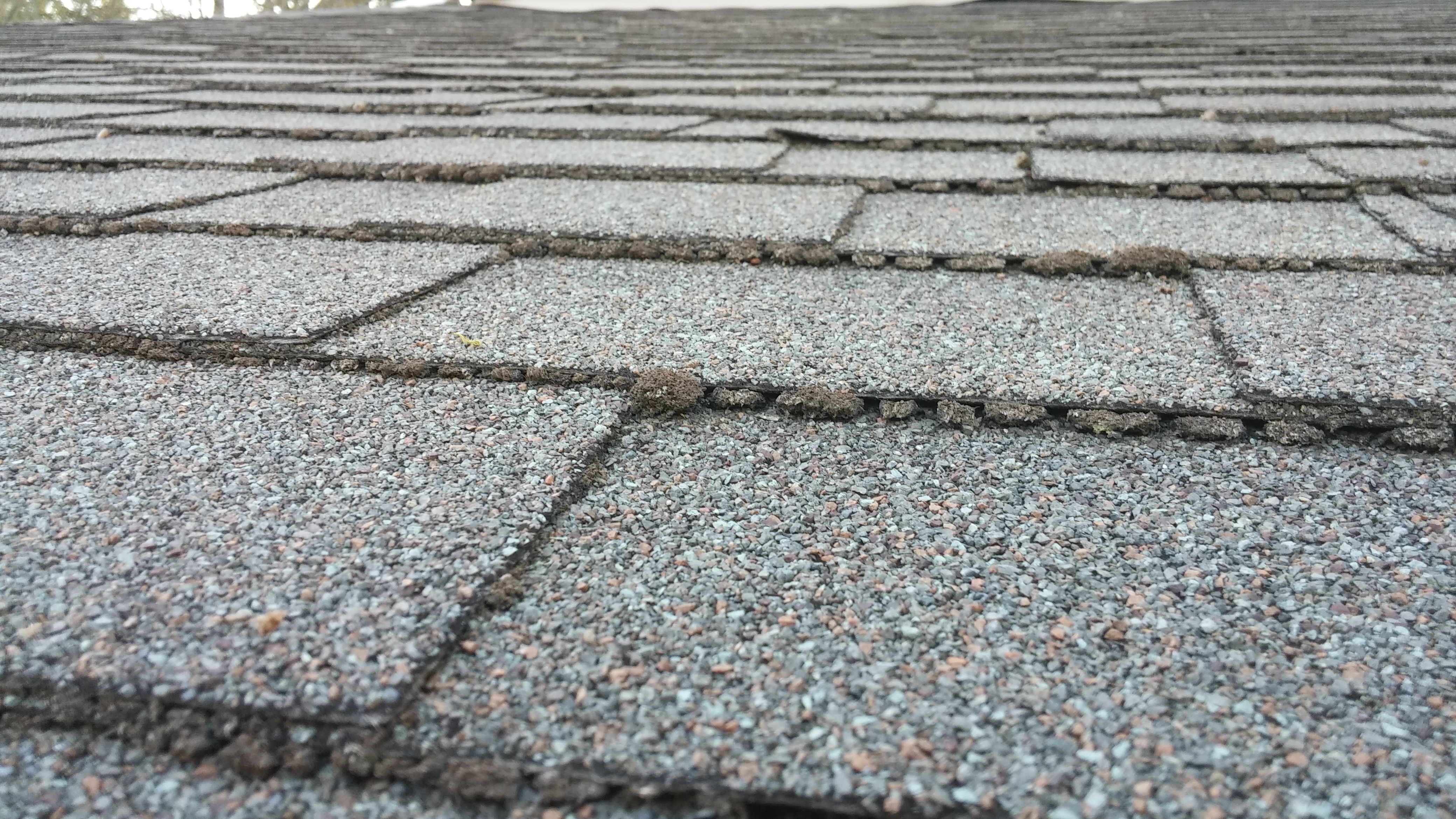
How to Inspect Your Roof for Damage

Six Ways to Prevent a Costly Repair

How to inspect your roof for damage in Klamath Falls, ORWe all know that owning a home is an expensive investment. Unfortunately, you can’t just move in and let it set. Homes require constant maintenance to ensure you don’t get costly damage. We suggest doing a yearly home inspection.

Most people will never venture up onto their roof to see what is going on up there.  A homes roof takes a beating. In the summer, it bakes and the sealant can shrink and expand hundreds of times each year. Making sure your roofing is up to par will save you from costly damage such as mold, water damage, sagging rooflines, pests and much more.

During winter, rainwater can find its way through tiny cracks causing moisture in your attic or between the layers of roofing. Identifying these issues early on can save you thousands of dollars in repairs to the roof itself, drywall, mold or go into your walls creating all sorts of havoc.  It is critically important to understand that your home insurance does NOT cover water intrusion damages caused by deferred maintenance.

Things to look for on your roof inspection:

  1. Missing or damaged shingles
    1. Shingles can become damaged by wind and hail or even just years of use. When inspecting your shingles, make sure the granules are covering the shingle. Ensuring that your shingles are in proper working order will ensure water stays out of your home.
    2. Look for curling shingles, or if wood, cracked or decayed shingles.
  2. Flashing
    1. Your flashing is the metal pieces that go around skylights, butt up against walls and down the valleys on your roof.
    2. Make sure these pieces are whole and without damage such as being twisted upwards, or having holes in them from rust or other damages.
  3. Flat Roofs: Look for obvious patches, cracks, tears, or blisters.
  4. Gutters: Make sure your gutters are clear from debris, are not leaking and are butted up tight against the structure.
  5. Chimneys: Ensure your chimney cap is on tight and if it is brick, inspect for cracks.
  6. Ventilation: Make sure your ventilation caps are clear of obstruction.

Inspecting your roof is a quick and easy job. Take your time and be careful while up there as there are many trip hazards and climbing on and off of the roof onto a ladder can be tricky. But, if done safely, a roof inspection can identify problems that would normally not be covered by your homeowners insurance.

If you have questions about your home, auto or commercial insurance, call the insurance agents at Pacific Ridge Insurance. They write business across the state of Oregon from their home office in Klamath Falls, OR. Policies can easily be written over the phone by calling (888) 337-5882.  With years of insurance experience they can easily help you insure everything from your home to your auto or commercial auto insurance. They live where you do and are an independent insurance agent, so they can help you find the right company to fit your needs. You can also check out their website, 24/7.


Key Things to Consider to Lower Your Energy Bill

Small Changes Can Add Up to Big Savings

How to lower your energy bill in Klamath Falls, OREveryone loves to save money especially if it’s done with a few easy steps. Electricity bills can add up quickly in your home, but by making a few small changes can lower those bills and save money for other things in your monthly budget.


Easy To Do Steps to Lower Your Electricity Bill

Home Heating

Heating your home uses the most energy, but can offer up the best ways to save money.

Keep your heating system tuned up and inspected. A poorly maintained heating system adds up overtime. Get your heating system inspected by a professional to ensure you’re not wasting energy and money.

Check the furnace filter. When a filter is dirty, they use more energy. Replace the filter when needed and follow the instructions in your furnace manual. Usually every couple of months.

Don’t block heat registers or return ducts.

Home Cooling

Invest in an air conditioner that has a high energy efficient rating (EER). A unit with an EER of 10 will save you twice as much as an EER of 5 would to operate.

Keep the filter clean. Again, the dirtier the filter, the harder it has to work.

Keep your temperature consistent. Instead of constantly changing your thermostat up and down, pick a temperature and stick to it.

Appliances

Insulate your water heater. Your water heater and refrigerator can be prime energy suckers. By insulating your water heater, you could have a great return on savings.

Hang dry more of your clothes. This can save on energy, plus keep your clothes in better condition.

Not using an appliance? Unplug it. Keeping an appliance plugged in uses energy, so if you’re not using an appliance or even a phone charger, unplug it.

Always do a full load. This goes for the dish washer and washing machine. Focus on doing full loads vs. partial loads.

Clean the drain weekly. Unclog the drain of food particles and clean it weekly to keep your dish washer running efficiently.

Keep the thermostat at a specific temperature. The refrigerator is best at 38 to 42 degrees, while the freezer is best at 0 to 5 degrees.

Other Tips

Turn off the lights. This is a simple one! If you’re not in a room, turn the lights off.

Change your light bulbs. More and more people are doing this, but energy efficient light bulbs will help you save money on your energy bill. Plus, they last much longer! Dimmer light switches can be a great addition to your home and use less energy while you enjoy your preference of lighting in a room.

Utilize power strips. Many computers, televisions and other electronics use power when they are off. Plug these devices into a power strip and when you’re not using them, simply hit the power switch button to turn them off.

While we can’t lower your energy bill for you, we can help you find ways to lower your insurance. If you have questions about your home, auto or commercial insurance, call the insurance agents at Pacific Ridge Insurance. They write business across the state of Oregon from their home office in Klamath Falls, OR. Policies can easily be written over the phone by calling (888) 337-5882.  With years of insurance experience they can easily help you insure everything from your home to your auto or commercial auto insurance. They live where you do and are an independent insurance agent, so they can help you find the right company to fit your needs. You can also check out their website, 24/7.

Six Tips to Prepare and Maintain Your Vegetable Garden

Home Garden Checklist

How to prepare and maintain a home garden in Klamath Falls, ORSpring season can bring so much joy to garden lovers. Growing your own garden saves money on groceries each week, plus can give you the personal satisfaction of growing your own food. It’s fun when you can involve your kids and teach them a few of your favorite tricks! Many people feel like their garden vegetables taste better. Whether you’re a seasoned pro at gardening or you’re just a beginner, use the tips below to ensure success.

Pick Your Favorite Things

First, decide what you want to plant. If you are new to gardening, start small. You can grow herbs and vegetables in pots.

Find a Location

If you want to plant a vegetable garden, find a location that gets at least six hours of sunlight each day. Also, keep the size of the mature plants in mind. The taller plants should be placed on the north or west side of the garden so they do not shade the other plants. As for watering your garden, it helps to keep it close to your water spigot so you aren’t stuck dragging it across your yard.

Crops need enough spacing between each other. When placing your vegetables in rows, allow at least 18 inches between them.

Give the Soil a Boost

First, test your soil. Soak it with a hose then wait a day to see what it looks like. The next day, grab a handful and see how the soil holds up. If water streams out, add two to three inches of organic matter (manure, compost, decayed leaves, dry grass clippings). When you pick up a handful and the soil does not form a ball, it’s too dry. Add organic matter. You know the soil is ideal when you grab it and it forms a ball and then slightly breaks apart when you drop it.

Water

For most vegetable plants, one inch of water per week is enough. It’s best to water in the morning to retain moisture. When you water, deliver water slowly so the roots absorb the moisture the soil stays hydrated.

Add Mulch

Mulch insulates your soil. It also helps retain moisture, decrease the amount of weeds and protects plants from diseases. Place about two to three inches on organic mulch around your plants.

Use Just Enough Fertilizer

By using organic compost (about 20% of the total makeup of the soil), you will keep it fertile enough so it thrives naturally. Using too much fertilizer can hinder results by decreasing the amount of harvest.

While we can’t tend to your vegetables, we can tend to all of your insurance needs. If you have questions about your home, auto or commercial insurance, call the insurance agents at Pacific Ridge Insurance. They write business across the state of Oregon from their home office in Klamath Falls, OR. Policies can easily be written over the phone by calling (888) 337-5882.  With years of insurance experience they can easily help you insure everything from your home to your auto or commercial auto insurance. They live where you do and are an independent insurance agent, so they can help you find the right company to fit your needs. You can also check out their website, 24/7.