Would You Know What To Do In the Event You Have a Driving Emergency?

Pacific Ridge Insurance discusses the four common driving emergencies and how to work through them in Klamath Falls, OR.
Learn how to work through the four common driving emergencies in Klamath Falls, ORDriving hazards present themselves daily and can occur year-round in every state. But, would you know what to do in the event a driving hazard presented itself?

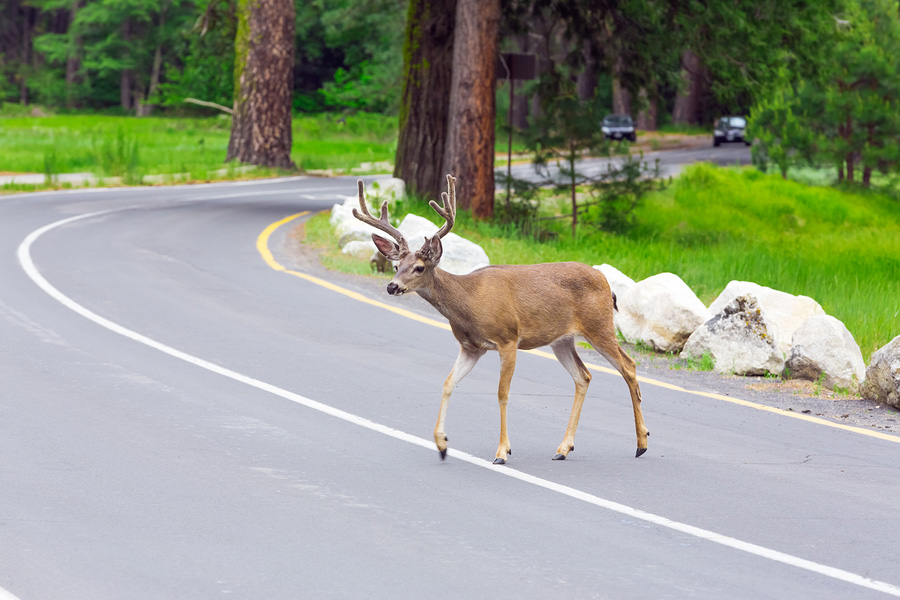
Wildlife: Hitting a deer in the roadway can be a traumatic experience, but it could also be deadly. The U.S. Dept. of Agriculture cites as many as 2 million collisions with animals occur each year in the U.S. Prepare by following these steps:

  • Stay alert: if you are driving in rural areas, be aware that wildlife is always nearby and keep a lookout towards the sides of the road.
  • Don’t swerve: Swerving cannot only results in a worse injury and more severe accident, but your insurance company might find you at fault if you swerve to miss a deer and end up hitting a tree or guard rail. Keep your car pointed forward and hit the brakes!
  • Be more aware at night: Animals can become more active in the evenings and some travel in groups. If you see one, chances are there are more nearby. If there are two lanes, drive in the lane farthest away from the side of the road.

Blown Tires: A blown tire can be a startling experience, but knowing what to do in the event you have one can save you from an accident. Keep these things in mind:

  • Don’t slam on the brakes: Slamming on the brakes with a blown tire will only make matters worse because it will cause your vehicle to pull hard in the direction of the flat. Slowly pull to the side of the roadway, as far away from traffic as possible.
  • Work to maintain your steering: If a front tire blows, it can really cause the vehicle to pull. Do your best not to overreact to the sudden jolt and swerve the other way. This could cause your vehicle to lose control.
  • Place your blown tire and wheel under the car slightly when changing your tire: So many injuries occur when a jack is improperly used. Placing your tire under the car can save you from being crushed if a jack fails.

Bugs in the Car: We’ve all experienced the spider in the car!

  • Pull over: While a spider or bee in the vehicle can be alarming, you have to remember – it is probably more afraid of you than you are of it! Carefully pull over to the side of the road and let your unwanted passenger out.
  • Don’t let it take your eyes off the road: It can be tempting to try to swat at the insect or arachnid while driving, but don’t. It will only increase the chances of causing a more serious crash.

Black Ice: It is getting to that time of year when black ice can occur on roadways. If your vehicle begins to slide on ice, it is important to understand what to do:

  • Let off the gas: Many vehicle have stability control and will work to auto-correct the problem. Stop accelerating and let your car recover.
  • Let off the brake: Applying the brakes on ice can unfortunately make matters worse. Never slam the brakes on, but gently apply them.
  • Drive slowly: if you notice the temperature beginning to plunge, drive more slowly. Less accidents occur when drivers keep the speeds under 45 MPH during icy conditions.

While we can’t always be in the car with you to avoid hazards, we can help you with your auto and home insurance questions.

If you have questions about your home, auto or commercial insurance, call the insurance agents at Pacific Ridge Insurance. They write business across the state of Oregon from their home office in Klamath Falls, OR. Policies can easily be written over the phone by calling (888) 337-5882.  With years of insurance experience they can easily help you insure everything from your home to your auto or commercial auto insurance. They live where you do and are an independent insurance agent, so they can help you find the right company to fit your needs. You can also check out their website, 24/7.


Tornadoes, Hurricanes and Wind Damage

Storm Insurance in Klamath Falls, ORDoes my Insurance Cover this?

Every state in our country can have a tornado, hurricane or suffer from a severe windstorm, so understanding that your home is protected with the right insurance to cover this type of loss is critical. Browse your policy or call your agent before an event is forecast because once a storm is coming, insurance companies will freeze new coverage from being bound in time for the event.

Your standard homeowners policy likely covers it (except in hurricane prone states like Louisiana, Texas, Florida and Hawaii)

While there are exceptions to every rule, the industry typically covers your home from certain perils such as windstorms, fire and theft. One of the common perils covered is wind damage which will include tornadoes, hurricanes and other high-wind events. So, typically you will be covered from these events, less your deductible, should such an event occur in your state.

What if it isn’t on my standard policy?

If Hurricane Insurance isn’t on your standard insurance policy, there are endorsements and other companies who you can get the coverage from. Same with states that have high likelihood of tornadoes. Be sure to check the fine print!

There is an exception to every rule

The best way to ensure you’re covered is to ask your insurance agent or company directly. There are policies that exist that will exclude this coverage, so be sure to check. Also, be sure that your internal contents are covered (personal property) and not just the home itself. If you own a home in the central part of the US (Tornado Alley) double check for coverage as it is common to have this loss be excluded.

There is always a company willing to give you this coverage

The beauty of shopping with an independent insurance agent is that they offer coverage from multiple insurance companies, not just one, so if one company doesn’t offer it, another one they sell will. Endorsing this coverage is potentially another possibility.

One last thing to note

Often large windstorms will trigger flooding events from either pushing in tides or be accompanied by heavy rains. It is important to understand that these events are not covered by a windstorm, tornado or hurricane coverage. You will need a separate flood insurance policy to cover you from water that damages a home even if the first event was the cause of the rising waters.

With anything insurance, the best answers that can be provided to your specific questions come from your local insurance agent. These agents are able to provide you with a certain, yes or no when it comes to coverage. Because they live where you do, they can help you assess the best coverage for your specific situation.

If you have questions about your home, auto or commercial insurance, call the insurance agents at Pacific Ridge Insurance. They write business across the state of Oregon from their home office in Klamath Falls, OR. Policies can easily be written over the phone by calling (888) 337-5882.  With years of insurance experience they can easily help you insure everything from your home to your auto or commercial auto insurance. They live where you do and are an independent insurance agent, so they can help you find the right company to fit your needs. You can also check out their website, 24/7.

Winterizing your vehicle: Where to start

Going outside during the winter months can be a production. You may need gloves, a hat, a heavy coat, boots and maybe more depending on the weather. Your car, the vehicle you rely on to get you to and from home and work, needs some winter prep as well. While you can’t put a coat on your car, you can do some simple winterizing to help ensure that your vehicle will run smoothly and help keep you safe in the cold and inclement weather.

Winterizing your vehicle in Oregon:

  • The Basics: There are a few things that your car should have during the winter: an emergency kit that contains: bottled water, energy bars or other non-perishable food, first aid supplies, gloves, a blanket, road flares, a “Help” sign and a flashlight are just a few things that make up a great emergency kit. Should your vehicle stop working and you are stranded, this kit could keep you safe and comfortable.
  • Sight and Traction: It is crucial to be able to see where you are going at all times while on the road. If your line of sight is blocked due to rain, snow or debris, you could be in danger of an accident. Before the weather turns poor, replace your windshield wipers and check to make sure that your defroster is in working order. Snow tires and chains are an option for areas that see snowfall. Plan ahead and make an appointment early to get your snow tires on (once snow tire use is permitted by law) because once the first snow falls, tire centers tend to get much busier.
  • Under the hood: Before your car is truly ready for winter, there are a few more things you should consider. When was the last time you changed your battery? Typically, batteries have a three to five year lifespan, however the winter months can be quite hard on them. The pull of defrosters and heaters may cause an older battery to fail, leaving you stranded. Replacing your battery in the fall before the weather turns is a safe bet. Check all fluids, like oil, anti-freeze/coolant. Anything that is low, should be topped off and/or changed. This is also a great time to do a visual check for leaks. Speaking of topping off, it is best practice to keep a full to mostly full gas tank during the cold months.  Due to the daily temperature fluctuations in the winter time, condensation can form on the inside of a gas tank. If that happens, water can get into the fuel lines, potentially freezing, blocking the line and causing damage.

Help keep yourself and others safe on the road this season by winterizing your vehicle. A few extra tasks could help save you from an accident, auto damage and a costly insurance claim. A change of season is also a great time to look at your insurance coverage. If you need to update or change your auto insurance policy, let the experts at Pacific Ridge Insurance in Klamath Falls, OR know! They can also assist you with other types of coverage like year-round motorcycle insurance and more. Visit their insurance website 24/7 for more information about the insurance products they offer.