Winterizing your vehicle: Where to start

Going outside during the winter months can be a production. You may need gloves, a hat, a heavy coat, boots and maybe more depending on the weather. Your car, the vehicle you rely on to get you to and from home and work, needs some winter prep as well. While you can’t put a coat on your car, you can do some simple winterizing to help ensure that your vehicle will run smoothly and help keep you safe in the cold and inclement weather.

Winterizing your vehicle in Oregon:

  • The Basics: There are a few things that your car should have during the winter: an emergency kit that contains: bottled water, energy bars or other non-perishable food, first aid supplies, gloves, a blanket, road flares, a “Help” sign and a flashlight are just a few things that make up a great emergency kit. Should your vehicle stop working and you are stranded, this kit could keep you safe and comfortable.
  • Sight and Traction: It is crucial to be able to see where you are going at all times while on the road. If your line of sight is blocked due to rain, snow or debris, you could be in danger of an accident. Before the weather turns poor, replace your windshield wipers and check to make sure that your defroster is in working order. Snow tires and chains are an option for areas that see snowfall. Plan ahead and make an appointment early to get your snow tires on (once snow tire use is permitted by law) because once the first snow falls, tire centers tend to get much busier.
  • Under the hood: Before your car is truly ready for winter, there are a few more things you should consider. When was the last time you changed your battery? Typically, batteries have a three to five year lifespan, however the winter months can be quite hard on them. The pull of defrosters and heaters may cause an older battery to fail, leaving you stranded. Replacing your battery in the fall before the weather turns is a safe bet. Check all fluids, like oil, anti-freeze/coolant. Anything that is low, should be topped off and/or changed. This is also a great time to do a visual check for leaks. Speaking of topping off, it is best practice to keep a full to mostly full gas tank during the cold months.  Due to the daily temperature fluctuations in the winter time, condensation can form on the inside of a gas tank. If that happens, water can get into the fuel lines, potentially freezing, blocking the line and causing damage.

Help keep yourself and others safe on the road this season by winterizing your vehicle. A few extra tasks could help save you from an accident, auto damage and a costly insurance claim. A change of season is also a great time to look at your insurance coverage. If you need to update or change your auto insurance policy, let the experts at Pacific Ridge Insurance in Klamath Falls, OR know! They can also assist you with other types of coverage like year-round motorcycle insurance and more. Visit their insurance website 24/7 for more information about the insurance products they offer.
Fall Dangers: Be alert!

Fall is one of our favorite seasons! The leaves, the cooler, shorter days and of course, pumpkin spice everything. There are some seasonal dangers associated with fall that can be quite hazardous if one is not prepared. Knowing what these dangers are and how to anticipate them can mean the difference between a lovely, relaxing fall and having to file a potentially costly insurance claim.

Seasonal Fall Dangers in Oregon:

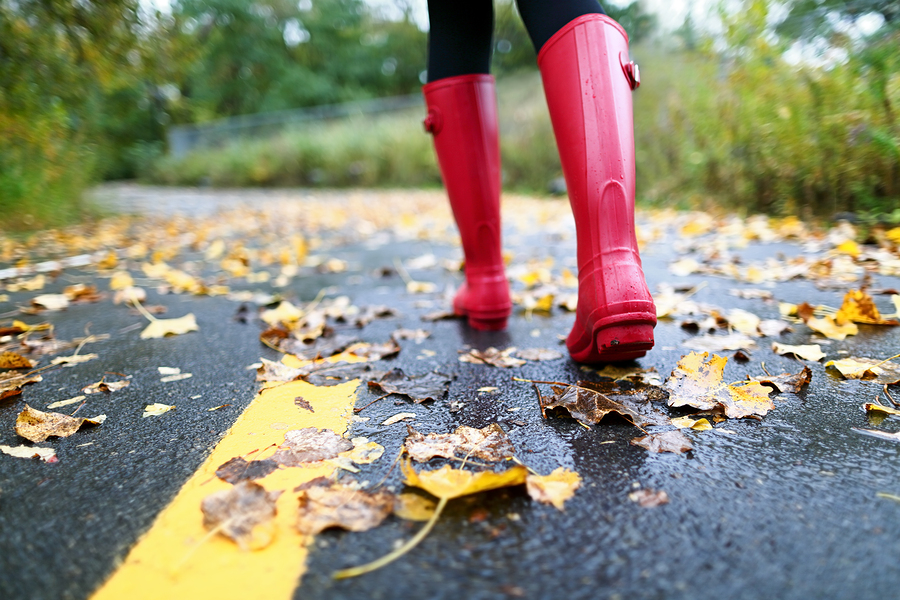
  • The Road: A drive to see the fall colors can be relaxing and enjoyable for all. You should be aware of changing weather conditions. Fall brings rain, wind and fog. Standing water on the roadways can create a slick, ice-like surface making it difficult to control the vehicle or hydroplane. If you happen to be in an area where leaves are falling, the leaves have a similar ice-like effect on the car. Another potential danger while in the car is fog. Fog can seemingly roll in from nowhere and impede your ability to see road hazards like traffic, debris, etc. For all these dangers, the best course of action is attentive driving. Reduce your speed, increase your following distance and stay alert to changing conditions.
  • The Wind: The winds returns, sometimes with a vengeance, during the fall. The wind can blow cars around the road and debris into the road, so during an episode of high winds, be alert to debris that may be entering the roadways. Trees and tree branches can also be a hazard. Trees that are diseased or branches that are low-hanging can become dislodged and cause massive amounts of damage to homes, garages and cars. The best way to try and stave off falling trees and branches is to trim all low-hanging branches that reside over dwellings. If your neighbors have tree branches that sit over your dwellings, work with them to get the branches removed. Also, if you suspect your trees to be diseased, have them inspected and removed.
  • The Water: A gentle fall rain can be soothing, but let’s be honest the rain in the fall tends to be more torrential. Fast moving storms can overwhelm storm drains (that could already be blocked with leaves or other debris) and the oversaturated ground cannot absorb the water resulting in large amounts of standing water or a flash flood. Remember that a standard homeowner’s insurance policy does not cover outside water entering your home due to rain or flood. If you live in an area that is prone to flooding, having sandbags on hand in case of a storm could be the difference between just mopping off your front porch and filing a flood insurance claim.

With a little preparation, you may be able to avoid an unpleasant situation and a costly insurance claim. The insurance experts at Pacific Ridge Insurance in Klamath Falls, OR can assist you with setting up policies like auto insurance, home insurance and flood insurance. If you have questions about your current insurance policies or about the potential fall dangers in the Klamath Falls area, give your Pacific Ridge Insurance agent a call. You can also visit their insurance website 24/7!

Summer fire safety tips

At some point this summer, you will most likely use fire for something. Whether it be a camp fire, fireworks or a grill, the potential for both fun and hazards is present. We put together a few fire safety tips for using fire (and its byproducts) safely and responsibly.

Fire Safety Oregon:

  • Campfires:  Make sure that your campfire is well contained, either in a pit or surrounded by rocks and the area around and above it is free of flammable material. Watch sparks and shifts in the fire to ensure that the flames stay within the pit. Be sure to extinguish your fire prior to sleep and when you depart the camp site. Having a bucket of water or a fire extinguisher handy is a very good idea. If a forest or brush fire should start, you’ll want to contact the authorities (in many cases a camping host) immediately.
  • Fireworks: Whether you are shooting off fireworks in your neighborhood or at a campground (make sure this is within the confines of the campground rules), you should be prepared for anything. When lighting fireworks, make sure that there is nothing flammable around your area and keep fireworks away from houses and other structures. Keep a bucket of sand available to dispose of used fireworks and never throw used fireworks directly into the garbage as they could spark a fire. Make sure to keep a hose, water bucket or fire extinguisher in the event a rogue fireworks sparks a blaze. Should a fire occur dial 911 immediately.
  • BBQs: Barbequing is a summer pastime. Whether you prefer a charcoal or gas grill, you should take some safety precautions. Never grill too close to a dwelling wall or under an awning or porch, the heat from the grill could cause a spark. If you are storing a grill close to a dwelling, make sure the grill is completely cooled before putting it in place. When using a charcoal grill, closely follow the direction on the lighter fluid as large flames could start a fire and injure anyone standing too close.
  • Other causes: BBQs, fireworks and campfires are not the only catalysts when it comes to fires. Sparks from ATVs, motorcycles, RVs and cars can start fires with the driver never knowing. Making sure your regular and off-road vehicles are in good repair may help prevent a random spark from starting a blaze.

According to the National Parks Service, “As many as 90 percent of wildland fires in the United States are caused by humans.” What it doesn’t mention: if you start a fire you may be liable for any restitution and damage costs, which could result in you being responsible for hundreds of thousands of dollars. Using proper safety techniques and having the right amount insurance may help cover some of those costs in the event you are found liable or negligent in a fire. Talk to your Klamath Falls, OR Pacific Ridge Insurance agent about how your home insurance policy may help protect you should you start a fire on your property or on a neighbor’s property. Having a personal umbrella policy may help reduce damage costs from an exhausted home insurance policy or negligence from a fire started away from your home. Ask your Pacific Ridge agent what may be right for your situation and budget. You can also visit our insurance website 24/7 to see what other insurance products we offer like boat or flood insurance. We hope you have a safe summer!