Would You Know What To Do In the Event You Have a Driving Emergency?

Pacific Ridge Insurance discusses the four common driving emergencies and how to work through them in Klamath Falls, OR.
Learn how to work through the four common driving emergencies in Klamath Falls, ORDriving hazards present themselves daily and can occur year-round in every state. But, would you know what to do in the event a driving hazard presented itself?

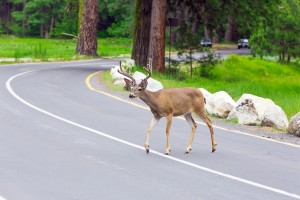
Wildlife: Hitting a deer in the roadway can be a traumatic experience, but it could also be deadly. The U.S. Dept. of Agriculture cites as many as 2 million collisions with animals occur each year in the U.S. Prepare by following these steps:

  • Stay alert: if you are driving in rural areas, be aware that wildlife is always nearby and keep a lookout towards the sides of the road.
  • Don’t swerve: Swerving cannot only results in a worse injury and more severe accident, but your insurance company might find you at fault if you swerve to miss a deer and end up hitting a tree or guard rail. Keep your car pointed forward and hit the brakes!
  • Be more aware at night: Animals can become more active in the evenings and some travel in groups. If you see one, chances are there are more nearby. If there are two lanes, drive in the lane farthest away from the side of the road.

Blown Tires: A blown tire can be a startling experience, but knowing what to do in the event you have one can save you from an accident. Keep these things in mind:

  • Don’t slam on the brakes: Slamming on the brakes with a blown tire will only make matters worse because it will cause your vehicle to pull hard in the direction of the flat. Slowly pull to the side of the roadway, as far away from traffic as possible.
  • Work to maintain your steering: If a front tire blows, it can really cause the vehicle to pull. Do your best not to overreact to the sudden jolt and swerve the other way. This could cause your vehicle to lose control.
  • Place your blown tire and wheel under the car slightly when changing your tire: So many injuries occur when a jack is improperly used. Placing your tire under the car can save you from being crushed if a jack fails.

Bugs in the Car: We’ve all experienced the spider in the car!

  • Pull over: While a spider or bee in the vehicle can be alarming, you have to remember – it is probably more afraid of you than you are of it! Carefully pull over to the side of the road and let your unwanted passenger out.
  • Don’t let it take your eyes off the road: It can be tempting to try to swat at the insect or arachnid while driving, but don’t. It will only increase the chances of causing a more serious crash.

Black Ice: It is getting to that time of year when black ice can occur on roadways. If your vehicle begins to slide on ice, it is important to understand what to do:

  • Let off the gas: Many vehicle have stability control and will work to auto-correct the problem. Stop accelerating and let your car recover.
  • Let off the brake: Applying the brakes on ice can unfortunately make matters worse. Never slam the brakes on, but gently apply them.
  • Drive slowly: if you notice the temperature beginning to plunge, drive more slowly. Less accidents occur when drivers keep the speeds under 45 MPH during icy conditions.

While we can’t always be in the car with you to avoid hazards, we can help you with your auto and home insurance questions.

If you have questions about your home, auto or commercial insurance, call the insurance agents at Pacific Ridge Insurance. They write business across the state of Oregon from their home office in Klamath Falls, OR. Policies can easily be written over the phone by calling (888) 337-5882.  With years of insurance experience they can easily help you insure everything from your home to your auto or commercial auto insurance. They live where you do and are an independent insurance agent, so they can help you find the right company to fit your needs. You can also check out their website, 24/7.

Five Things to Discuss With Your Teen Driver

How to Keep Your Teen Safe on the Road

How to Keep Your Teen Safe on the Road While Driving in Klamath Falls, OR. This week represents National Teen Driver Safety Week. According to National Highway Traffic Safety Administration, the leading cause of death of teenagers from 15-19 years old in the United States is auto accidents. In order to decrease these numbers, it’s important for parents to sit down with their children to discuss the dangers of driving.

The National Teen Safety Week goal is to make teens aware of the “5 to Drive” Rules.

Keep in mind, in order for your teenagers to be following these five rules, parents need to be leading by example. If you aren’t following the rules yourself, your teenager won’t take these steps seriously. Educate your teen on the importance of each rule. Give real life scenarios and grim statistics so they understand why the “5 to Drive” is so crucial to follow.  

Alcohol

We all know not to drink and drive, but be sure to continue these conversations with your teen. It’s also important to discuss the major consequences of getting into an accident when alcohol is involved such as jail time, a loss of driver’s license and fines. If your teen happens to be in a situation involving alcohol, make a deal that you will pick them up to prevent the dangers of drinking and driving.

Seatbelts

This is such a simple habit to stay safe and it’s the best way to protect yourself! According to NHTSA, 64 percent of all young passengers and teen drivers who didn’t wear a seatbelt died in a motor vehicle accident. Train your teenager to buckle up every single time they get into a vehicle until it becomes a habit!

Texting

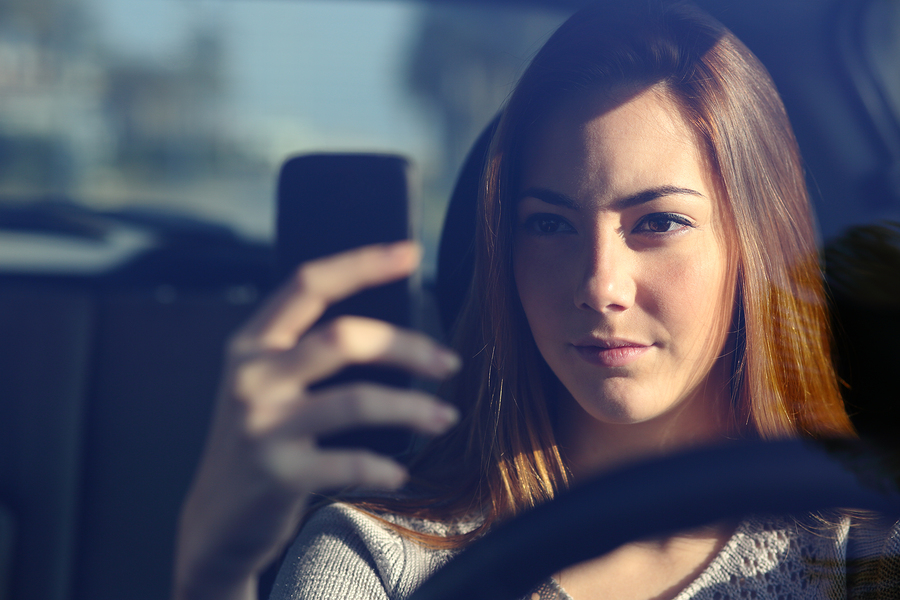
We all know the dangers of texting while driving. Distracted driving accidents continue to increase in deaths per year. Coach your teen to put their cell phone away before getting behind the wheel or let the passenger take care of any urgent texting.

Speeding

Teenage drivers learn in driver’s education that every time their speed doubles, their stopping distance quadruples. Be sure to continue this conversation to help them follow the speed limit. In 2013, almost one-third (29 percent) of teen drivers involved in a fatal crash were speeding.

Extra Passengers

The more passengers in your teenager’s vehicle, the more risk of a fatal crash. Some states prohibit any passengers from riding in your teenager’s car for a certain period. Check your State’s GDL law to see what your teenage driver needs to follow.

Remember, you will make the biggest impact on your teen’s safety behind the wheel. Show you care about their safety and take about the dangers of driving. Most importantly, follow the five rules yourself. With continued education, you’ll shape your teenager into a responsible driver.

While we unfortunately can’t keep your teen safe on the road, we can answer any questions related to your home, auto or commercial insurance. Be sure to call the insurance agents at Pacific Ridge Insurance. We write business across the state of Oregon from our home office in Klamath Falls, OR. Policies can easily be written over the phone by calling (888) 337-5882.  With years of insurance experience we can easily help you insure everything from your home to your auto or commercial auto insurance. We live where you do and are an independent insurance agent, so we can help you find the right company to fit your needs. You can also check out our website, 24/7.

Winterizing your vehicle: Where to start

Going outside during the winter months can be a production. You may need gloves, a hat, a heavy coat, boots and maybe more depending on the weather. Your car, the vehicle you rely on to get you to and from home and work, needs some winter prep as well. While you can’t put a coat on your car, you can do some simple winterizing to help ensure that your vehicle will run smoothly and help keep you safe in the cold and inclement weather.

Winterizing your vehicle in Oregon:

  • The Basics: There are a few things that your car should have during the winter: an emergency kit that contains: bottled water, energy bars or other non-perishable food, first aid supplies, gloves, a blanket, road flares, a “Help” sign and a flashlight are just a few things that make up a great emergency kit. Should your vehicle stop working and you are stranded, this kit could keep you safe and comfortable.
  • Sight and Traction: It is crucial to be able to see where you are going at all times while on the road. If your line of sight is blocked due to rain, snow or debris, you could be in danger of an accident. Before the weather turns poor, replace your windshield wipers and check to make sure that your defroster is in working order. Snow tires and chains are an option for areas that see snowfall. Plan ahead and make an appointment early to get your snow tires on (once snow tire use is permitted by law) because once the first snow falls, tire centers tend to get much busier.
  • Under the hood: Before your car is truly ready for winter, there are a few more things you should consider. When was the last time you changed your battery? Typically, batteries have a three to five year lifespan, however the winter months can be quite hard on them. The pull of defrosters and heaters may cause an older battery to fail, leaving you stranded. Replacing your battery in the fall before the weather turns is a safe bet. Check all fluids, like oil, anti-freeze/coolant. Anything that is low, should be topped off and/or changed. This is also a great time to do a visual check for leaks. Speaking of topping off, it is best practice to keep a full to mostly full gas tank during the cold months.  Due to the daily temperature fluctuations in the winter time, condensation can form on the inside of a gas tank. If that happens, water can get into the fuel lines, potentially freezing, blocking the line and causing damage.

Help keep yourself and others safe on the road this season by winterizing your vehicle. A few extra tasks could help save you from an accident, auto damage and a costly insurance claim. A change of season is also a great time to look at your insurance coverage. If you need to update or change your auto insurance policy, let the experts at Pacific Ridge Insurance in Klamath Falls, OR know! They can also assist you with other types of coverage like year-round motorcycle insurance and more. Visit their insurance website 24/7 for more information about the insurance products they offer.