How to Put Together an At-Home Emergency Kit

Be Prepared with a Custom-Built Supplies Kit.
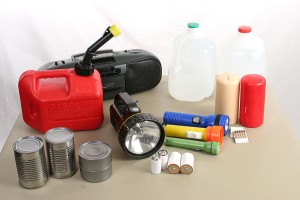
How to Put Together a Disaster Kit in Klamath Falls, ORFall is a great time to consider disaster preparedness and to take a look at your family’s emergency kit. While disasters can happen anywhere, whether natural or man-made, it is important that your family be prepared.

For many, the thought of having a disaster preparedness kit in their home seems silly and unnecessary. The fact of the matter is that every state in our country is susceptible to a natural disaster such as an earthquake, tornado or hurricane, flood or even a volcanic eruption. Preparing for one of these events can be quick and inexpensive, but also a great time to educate your family about safety during one of these events.


The basic home preparedness kit, according to ready.gov should include:

  • Water – 1 gallon per person, per day. Minimum 3 day supply.
  • Food – non-perishable food such as canned tuna, canned fruits & vegetables, nuts, dried fruit, low sodium crackers, soups. Also, dry mixes that do not require refrigeration. Store food in tightly closed containers to extend it’s shelf life and protect from pests. Change food & water supplies every six months to keep fresh supplies.
  • Battery powered radio for emergency information
  • Flashlight with extra sets of batteries. (Consider an LED flashlight that requires much less energy to use)
  • First aid kit
  • Whistle to signal for help
  • Dust masks, plastic sheeting and duct tape to seal off an area from contaminants
  • Moist towelettes for simple hygiene
  • A manual can opener and pocket knife
  • Cell phone w/ solar charger of some sort

Additional items could include prescription medicines, diapers, pet food and blankets. Keep this kit in a designated area where your entire family can easily find it.

If you have questions about your home, auto or commercial insurance, call the insurance agents at Pacific Ridge Insurance. They write business across the state of Oregon from their home office in Klamath Falls, OR. Policies can easily be written over the phone by calling (888) 337-5882.  With years of insurance experience they can easily help you insure everything from your home to your auto or commercial auto insurance. They live where you do and are an independent insurance agent, so they can help you find the right company to fit your needs. You can also check out their website, 24/7.


Tornadoes, Hurricanes and Wind Damage

Storm Insurance in Klamath Falls, ORDoes my Insurance Cover this?

Every state in our country can have a tornado, hurricane or suffer from a severe windstorm, so understanding that your home is protected with the right insurance to cover this type of loss is critical. Browse your policy or call your agent before an event is forecast because once a storm is coming, insurance companies will freeze new coverage from being bound in time for the event.

Your standard homeowners policy likely covers it (except in hurricane prone states like Louisiana, Texas, Florida and Hawaii)

While there are exceptions to every rule, the industry typically covers your home from certain perils such as windstorms, fire and theft. One of the common perils covered is wind damage which will include tornadoes, hurricanes and other high-wind events. So, typically you will be covered from these events, less your deductible, should such an event occur in your state.

What if it isn’t on my standard policy?

If Hurricane Insurance isn’t on your standard insurance policy, there are endorsements and other companies who you can get the coverage from. Same with states that have high likelihood of tornadoes. Be sure to check the fine print!

There is an exception to every rule

The best way to ensure you’re covered is to ask your insurance agent or company directly. There are policies that exist that will exclude this coverage, so be sure to check. Also, be sure that your internal contents are covered (personal property) and not just the home itself. If you own a home in the central part of the US (Tornado Alley) double check for coverage as it is common to have this loss be excluded.

There is always a company willing to give you this coverage

The beauty of shopping with an independent insurance agent is that they offer coverage from multiple insurance companies, not just one, so if one company doesn’t offer it, another one they sell will. Endorsing this coverage is potentially another possibility.

One last thing to note

Often large windstorms will trigger flooding events from either pushing in tides or be accompanied by heavy rains. It is important to understand that these events are not covered by a windstorm, tornado or hurricane coverage. You will need a separate flood insurance policy to cover you from water that damages a home even if the first event was the cause of the rising waters.

With anything insurance, the best answers that can be provided to your specific questions come from your local insurance agent. These agents are able to provide you with a certain, yes or no when it comes to coverage. Because they live where you do, they can help you assess the best coverage for your specific situation.

If you have questions about your home, auto or commercial insurance, call the insurance agents at Pacific Ridge Insurance. They write business across the state of Oregon from their home office in Klamath Falls, OR. Policies can easily be written over the phone by calling (888) 337-5882.  With years of insurance experience they can easily help you insure everything from your home to your auto or commercial auto insurance. They live where you do and are an independent insurance agent, so they can help you find the right company to fit your needs. You can also check out their website, 24/7.

Generator Safety 101

At some point during this past winter, you may have lost power and depending on for how long, you may have gone and purchased a generator. Some purchase generators for the “just-in-case” scenario, while others use them for RVing or running a small shop. Regardless of why you have a backup generator, they can be a great tool for helping to keep warm and possibly running some small appliances or light fixtures (depending on the size of your generator.) There are some key safety issues that one should take into consideration when purchasing and using a portable generator during inclement weather or even while camping.

Generator Safety 101 in Oregon:

  • Power: When trying to pick out a generator you need to consider what exactly it will be powering. For lighting, heat and appliances, there are specific wattages that need to be met. If the generator is not powerful enough to run these items, both the generator and the appliances, etc., could be damaged. A simple way to figure this out is to look at the generator “running/rated watts.” If the running watts on a generator lists it as 1500, then it can run up to 15 100 watt light bulbs. Some appliances such as fans have a starting surge. So, if a fan is 200 watts, but has a 600 watt power surge when you turn it on, you technically only have 900 watts left on your generator. If running other appliances, remember, 1kw = 1,000 watts, volts x amps = watts, so 3 amps at 120 volts = 360 watts.
  • Placement: You never want to use a generator indoors. Running a generator indoors is essentially like running car in a garage with the door closed. Generators release carbon monoxide (CO) and even in small doses that can be deadly. Installing a battery-operated CO monitor, like this, is a great way to help protect yourself from CO poisoning. The generator should be placed at least 25 ft. from the home or camper and should be in a cleared area. Generators can produce quite a bit of heat and could spark a fire in the right conditions, so if you’re out camping, ensure the area is free of debris. Be cautious when using a generator in wet conditions, a pop-up open air canopy could keep the generator dry. If the weather is wet, use covers on extension cords and remember to never touch electrical outlets or plugs with wet hands.
  • Powering the generator: Generators run on fuel, diesel, unleaded or 2 cycle depending on the type you purchase. When buying and storing fuel, only use approved containers. Every city has different regulations regarding the amount of fuel that can be stored in a residence and where it can be stored, check your local regulations or check with your local fire department for more information on fuel storage.
  • Making it permanent: You may decide that you like your generator so much that you want to make it a permanent fixture at your home in case of future power outages. In that case, you will want to contact a reputable electrician, as attaching a generator to your electrical system can be complicated. Never try to plug a generator directly into an electrical outlet, it could cause serious (expensive) damage to your home system.

Let your Pacific Ridge Insurance agent know if you have a generator permanently attached to your home electrical system. You can also let your agent know if you have made any other upgrades to your home that could result in a home insurance discount, like a security system or an impact resistant roof. The insurance experts at Pacific Ridge Insurance in Klamath Falls, OR are here to assist you with all of your insurance needs. Visit our insurance website 24/7 for more information about us or any of the insurance products we sell like RV insurance or renters insurance.