Replacement cost vs. Actual cash value – What does it mean?

An insurance policy’s usefulness is determined by the policy language used. Specific policy language determines what is covered, what is excluded and the amounts covered under the policy. Reviewing your insurance policy language every now and again may be helpful in the event of a claim, as you would have a better understanding of what may be covered.

Insurance policies are full of language and terms that may not be clear right off the bat. Many terms are specific to the industry and to the specific type of insurance that is being purchased. Two such terms are Replacement Cost and Actual Cash Value. These terms can be a bit confusing to decipher between.

Replacement cost vs. Actual cash value in Oregon:

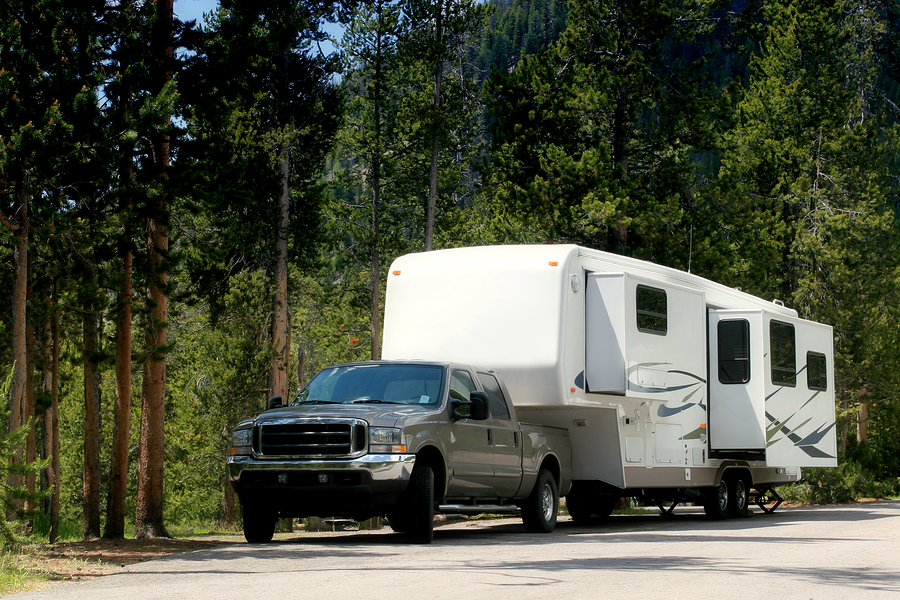
  • Replacement cost is very simple: It is literally the cost to replace your item with an item of similar quality. Replacement cost policies tend to be a bit more expensive since you are essential getting a brand new item for one that may have otherwise depreciated. Replacement costs are agreed upon by all parties before the insurance policy is finalized. If you have high-ticket items (jewelry, art, RV, boat, luxury vehicle or classic car) this may be the best type of coverage if you can afford it.
  • Actual cash value is the cost to replace the item minus any depreciation. For example, if you were in an auto accident and you had an actual cash value policy, your insurance would pay out the cost of the vehicle minus any depreciation, so if your vehicle is worth less than what you owe you would be responsible for paying that difference out of pocket, unless you had gap insurance. An actual cash value policy can put you in a tight spot if your items cost more to replace or repair than your policy pays out. Depreciation values for big ticket items like RVs or luxury cars can be quite large, so make sure that you have a nest egg and be prepared to pay some out-of-pocket for a loss if you have an actual cash value insurance policy.

No matter which policy type you choose, the local experts at Pacific Ridge Insurance can answer any questions and walk you through the different types of scenarios to see which policy type is right for your situation.  Pacific Ridge Insurance in Klamath Falls, Oregon can guide you through your homeowner’s insurance policy and more, like auto insurance. Their years of insurance experience can save you a bundle, and they live right in your area, so know first-hand what your insurance needs might be.  You can also visit their insurance website 24/7 to learn more about the insurance products they offer.

Closing the Gap: Do I need Gap Insurance in Klamath Falls, OR?

Gap Insurance Klamath Falls, ORCongratulations, you just bought a new (or new to you) car! You were able to afford a down payment and now you are the proud owner of a new car and a monthly car payment. But, what happens if your car becomes involved in an accident and you owe more than your car is worth?
Imagine this scenario: While out enjoying your new car, you hydroplane and hit a guardrail damaging your new vehicle beyond repair. The insurance company is telling you that your new car is a total loss. While you may not be able to drive the vehicle, you are still responsible for the loan associated with vehicle. If you have gap insurance in Klamath Falls, OR, you may be only responsible for your deductible.

How gap insurance in Oregon works:


What is depreciation:  Vehicles, especially new vehicles, begin to depreciate as soon as you drive them off the dealer lot. Depreciation can be quite surprising and is not necessarily tied to the base cost of the vehicle. Due to wear-and-tear, fluctuating market conditions and a number of other factors, depreciation in the first year is the steepest. Even with proper care and maintenance and no accidents, a vehicle will continue to depreciate. Even though the value of the vehicle will go down each year, the amount you owe on the vehicle will not. Depreciation will vary between make and model but here is a baseline comparison:

Year Vehicle Style Base price Depreciation year one
2013 Subaru Legacy 2.5i sedan $21,295 $3,069
2013 Honda Civic Base sedan $22,715 $4,406
2013 BMW 328i sedan $34,900 $5,198
2013 Ford F-150 $28,595 $5,915
2013 Toyota 4Runner $37,155 $6,380

 *Figures courtesy of automobilemag.com

Why gap insurance: In the unfortunate event that your vehicle is totaled, and it is an event covered under your current auto insurance policy, your insurer may pay the actual cash value of the vehicle, which may be significantly less than the outstanding vehicle loan. In that case, you would still be responsible for the remaining balance between the loan and the insurance payout, which could be thousands of dollars. If you choose to purchase gap insurance in Klamath Falls, Oregon, your insurance company would cover the remaining balance between the actual cash value of the vehicle and the remaining loan balance, typically up to 25 percent, potentially saving you thousands of dollars.

Options for gap insurance: There are two options for purchasing gap insurance in Klamath Falls, OR. It can be purchased from the dealership or through an insurance agent. If you choose to purchase gap insurance through the dealership you purchase your vehicle from, the gap insurance will be built into your loan. The average price for gap insurance from a dealership is around $1,000, but add interest and taxes and it can add up to much more. If you choose to purchase gap insurance from an insurance agent, on average it would add less than $10 per month to a policy! There may be certain stipulations associated with a gap insurance policy:

  • The loan may need to be through a financial institution rather than an individual
  • Your current auto insurance policy may need to include Collision and Comprehensive coverage
  • Your claim may need to be a covered Collision and Comprehensive coverage event
  • Your vehicle may need to be determined as a total loss

Before you purchase a new vehicle, make sure to check with your licensed insurance agent in Klamath Falls, Oregon to see how you can add gap insurance to your new vehicle policy. The local, independent agents at Pacific Ridge Insurance can assist you with adding or amending an existing policy or setting you up with a new policy. Their years of insurance experience can save you a bundle. You can also visit their insurance website 24/7 to learn more about auto insurance or the other insurance products they offer like classic car or home insurance.


Protection for a Rainy Day: Flood Insurance in Klamath Falls, OR

Typically when we think of things like wildfires or snowstorms, we confine them to seasons. Not all natural disasters are season specific and events like massive rainstorms can occur with the right conditions any time of year. Keeping a flood insurance policy, even if you are not in a high-risk area may be a good idea.

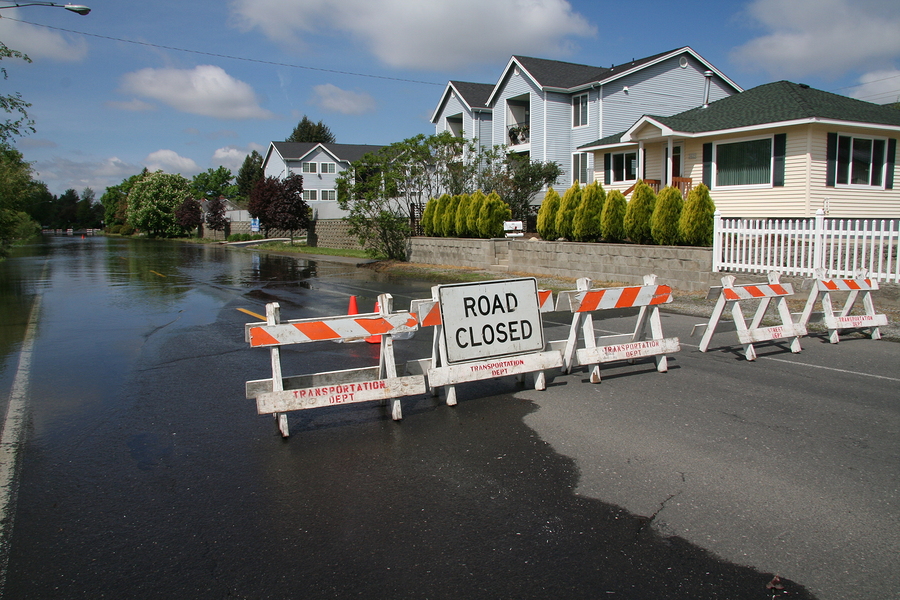
The definition of a flood can be tricky as most people associate a flood with a large body of water overflowing wreaking havoc throughout an area, but floods come in many different shapes and sizes. In terms of flood insurance, any water that comes into your home from an outside source (not a burst pipe, sewer back-up, etc.) may be considered a flood. There are easy ways to find out if you are in a high-risk area for floods and what is covered under a flood insurance policy in Klamath Falls, Oregon.

The ins-and-outs of flood insurance in Oregon:

  • What is a flood: As previously stated, in terms of insurance, a flood is typically water from an outside source coming into your home or business that is not a result of a burst pipe, sewer back-up or other excluded events.  Localized flooding in your home can occur when outside drains become clogged with leaves or debris, when a water main breaks or a storm surge comes ashore from a tropical storm or hurricane. High-risk areas include those living at or below sea-level, those living within the flood plain of a river or those who live in areas that get monsoon-like storm conditions. These areas may be high-risk, but flooding can occur in any neighborhood.
  • Flood Insurance: Purchasing flood insurance can be done through your local independent insurance agency, but it is all federally insured by FEMA. Based on historical trends and flood maps, high-risk areas are determined as those that “have a 1 in 4 chance of flooding during a 30-year mortgage,” according to Floodsmart.gov. A flood insurance premium is based on several factors, like flood risk area, age of the home, number of floors and the amount of coverage you decide upon. The typical policy in a lower-risk can be as low as $129 per year and will go up from there depending on the risk. It should be noted that after purchasing a flood insurance policy, there is a 30-day waiting period, so if you are considering purchasing flood insurance, the sooner the process is started the better.
  • What is covered: Flood damage to a home is costly. Depending on the area of the home taking on water, the costs can be hundreds of thousands of dollars. Carpets may need to be replaced or cleaned, dry wall replaced, appliances, furniture and the list goes on. If the flood is severe enough the home may need to be assessed for structural or electrical damage.

If you think you may need flood insurance, talk to your licensed insurance agent in Klamath Falls, OR. Pacific Ridge Insurance in Klamath Falls, Oregon can guide you through purchasing a flood insurance policy and offers additional lines of insurance like home insurance and earthquake insurance. Their years of insurance experience can save you a bundle, and they live right in your area, so know first-hand what your insurance needs might be.  You can also visit their insurance website 24/7 to learn more about the other insurance products they offer.