
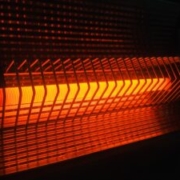
Prevent A Home Disaster If Using Space Heaters
 Space heaters offer a convenient and effective way to heat various areas such as garages, bedrooms, and workspaces like offices or shops. However, it is crucial not to overlook the potential dangers associated with these devices, particularly the risk of starting fires. Shockingly, the U.S. Consumer Product Safety Commission reveals that over 25,000 residential fires are caused annually by portable space heaters. Even more alarming, an estimated 300 individuals lose their lives each year due to fires caused by improper usage of space heaters. Additionally, thousands of people suffer from burn injuries that require hospital treatment, all stemming from the mishandling or improper use of these heating devices.
To ensure your safety when operating a space heater, regardless of its type, it is vital to adhere to the safety and operational instructions provided by the manufacturer. When purchasing a space heater, consider the following factors:
- Ventilation: If you are buying propane or kerosene heaters, determine whether adequate ventilation is required.
- Safety Certification: Check whether the unit you intend to purchase carries the “Underwriter’s Laboratory (UL)” label. UL is a respected global safety science company that has been pioneering safety solutions for over a century, including the safe adoption of electricity.
- Thermostat Function: Does the unit have a built-in thermostat to regulate the temperature?
- Tip-Over Safety Feature: Ensure that the space heater you choose includes a safety mechanism that automatically disables the device if it tips over.
- Placement Considerations: Make sure your space heater can be positioned away from flammable materials, children, and pets.
- Avoid Unattended Use: Never leave your space heater running overnight or unattended.
By utilizing space heaters properly, you can efficiently heat your living spaces while conserving energy. However, always remember to follow safety guidelines diligently and avoid leaving the device unattended or accessible to children. By practicing responsible space heater usage, you can enjoy the benefits of a warm environment while mitigating the risk of costly fires in your home.
As an Independent insurance agency, we are professionals who work independently, representing multiple insurance companies to provide clients with a wide range of coverage options tailored to your specific needs.
We act as your trusted advisors, offering personalized guidance and assistance in navigating the complex world of insurance, helping you make informed decisions about your coverage.
If you’d like to work with our agency, simply reach out and we’ll pair you with an agent for your personal and commercial needs.

 The National Highway Traffic Safety Administration (NHTSA) states that auto accidents are the leading cause of death for teenagers aged 15-19 in the United States. To combat these statistics, parents should have open conversations with their children about the risks associated with driving and emphasize the “5 to Drive” rules.
 Dog bites can result in significant financial costs, with insurance companies paying out over $400 million annually for dog bite claims, according to the Insurance Information Institute. However, what’s even more alarming is that approximately $600 million exceeds the limits of home insurance policies. To safeguard yourself from potential out-of-pocket expenses stemming from a dog bite incident, it is crucial to ensure adequate coverage limits and consider obtaining an umbrella insurance policy.