
Preparing Your Camper Trailer For Summer Adventures: 6 Essential Steps
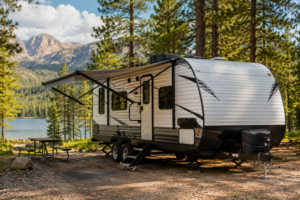 As summer approaches, camping enthusiasts eagerly anticipate venturing into the great outdoors and making the most of nature. If you own a camper or trailer, it’s essential to complete a quick tune-up to ensure your vehicle is ready for summer use. While some campers opt for professional servicing, it is entirely possible to perform the maintenance yourself. Here are six crucial areas to check when prepping your camper for summer adventures:
- Service the Axle and Hubs. One common issue with camper trailers is the risk of losing a wheel while on the road. Dry grease in the hubs and failed bearings can lead to the entire wheel detaching, resulting in a dangerous and alarming situation. Prevent this by having your bearings repacked by a local tire shop. This simple step will ensure your camper’s wheels remain securely attached.
- Inspect the Tires. Camper trailers often spend most of the year sitting unused, leading to the development of flat spots and cracks on the tires. These issues can pose significant safety risks. Inspect your camper’s tires for any cracks or signs of flat spots. To avoid flat spots, consider using specialized tire savers, which are readily available at affordable prices.
- Check for Mold. If your camper is stored outside or was put away while still wet, there’s a possibility of mold growth. Fortunately, surface mold is relatively easy to eliminate. Use a water and bleach solution to spray and kill the mold. Be cautious not to spray surfaces that may discolor, such as upholstery. Also, inspect areas prone to dampness, such as the bottom of walls, behind curtains, under the sink, and inside cabinets. If you detect dampness, open up the camper, run a fan overnight for improved circulation, and facilitate drying.
- Inspect and Test Your Lights. Before hitting the road, it’s essential to check the functionality of all your camper’s lights. This should be done regularly, not just at the start of the season, to ensure your safety on the road.
- Check for Propane Leaks. Your propane system can suffer damage from rodents or drying out and becoming bent. Your nose and ears are the best detectors of propane leaks. If you suspect a leak, use a soapy water solution to check your lines for bubbles that indicate damage or leaks. All campers should be equipped with a propane detector for added safety. If you suspect a leak, contact your local dealer for repairs or temporarily disconnect the propane until the issue is resolved.
- Flush the Water System. If you winterized your camper, make sure to thoroughly flush your potable water system. The antifreeze in your water lines should be the non-toxic variety containing propylene glycol. Regardless, flush the system thoroughly and dispose of the antifreeze in compliance with federal and state regulations, avoiding drains or streams.
If you need a policy review for your camper, don’t hesitate to reach out to our agency. A comprehensive RV policy review will ensure you have the best coverage at the most competitive price. We can also assist with additional coverage options if needed. Contact us today to get started on your worry-free camping adventures!
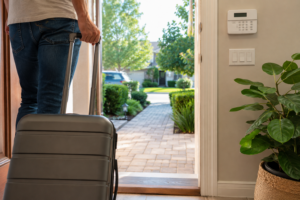 Leaving your home for an extended period of time, whether for a vacation or as a snowbird seeking warmer climates, requires careful preparation to ensure the safety and security of your property. The last thing you want is to return to a home damaged by a burst pipe or burglarized. To protect your home and give yourself peace of mind while you’re away, follow this comprehensive checklist:
 “I was involved in an accident, and to make matters worse, the other party doesn’t have insurance.” It’s a frustrating and stressful situation that no one wants to experience. However, there are measures you can take to protect yourself from such incidents. One important aspect is having the right insurance coverage, specifically uninsured motorist coverage, which can provide you with the necessary financial support in these unfortunate circumstances.