Do you know these camping basics?
A camping trip is one of the great adventures a person (or family) gets to have each summer. Our area is filled with great camping spots, some nestled in the woods some near streams and lakes, but most are great for meeting new friends. Preparing for this wonderful American tradition a camping trip can be challenging as you have to be ready for many different scenarios: wild animals, weather changes, illness, etc. Don’t fret, we are here to highlight some of the basic necessities one may need on a weekend camping trip.
Camping Basics in Oregon:
- Food: Food and drink is a very important component of any trip. Most folks pack your standard camping fare like hot dogs, s’mores and plenty no-fuss ready to eat snacks. You’ll want to pack some energy bars, nuts, fruit and plenty of water if you plan on doing any physical activity as low blood sugar (and heat) can lead to dizziness and possibly fainting. Storing your food is also extremely important. Making sure all food is tightly sealed in containers will help keep pests and wild animals out of your campsite, you should also make sure that cold food stays cold to avoid food poisoning. Be sure to pack all food away in the evenings in a locked car away from any sleeping quarters as bears and other wild animals may enter camp looking for a snack.
- Weather: Be prepared for all kinds of weather and be aware that it can change at any moment. Pack enough clothes to layer should it get chilly or rainy, hats and umbrellas for staying out of the sun and proper food gear for hiking or for swimming (including life jackets if you plan on using a canoe or raft). Being prepared for the weather also means being prepared for the pests warm weather brings. Mosquitoes and ticks can be an annoyance, but they can also cause health problems like West Nile Virus and Lyme disease. Citronella candles (or torches) and repellant sprays can help protect against mosquitoes and ticks. For ticks, check yourself and your pets daily for ticks. They prefer dark, warm areas like behind the knees, ears and inside the belly button. The Centers for Disease Control and Prevention has some great tick prevention and removal tips.
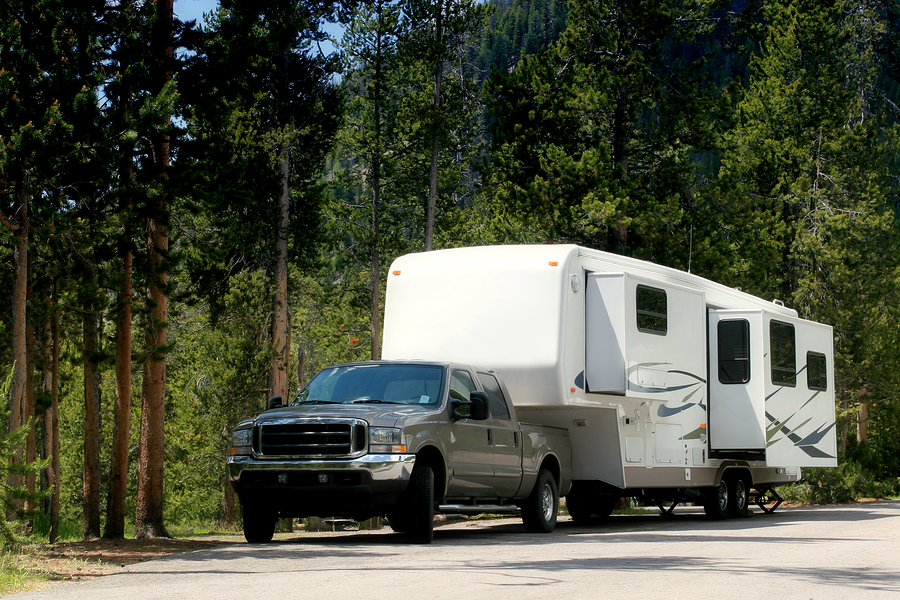
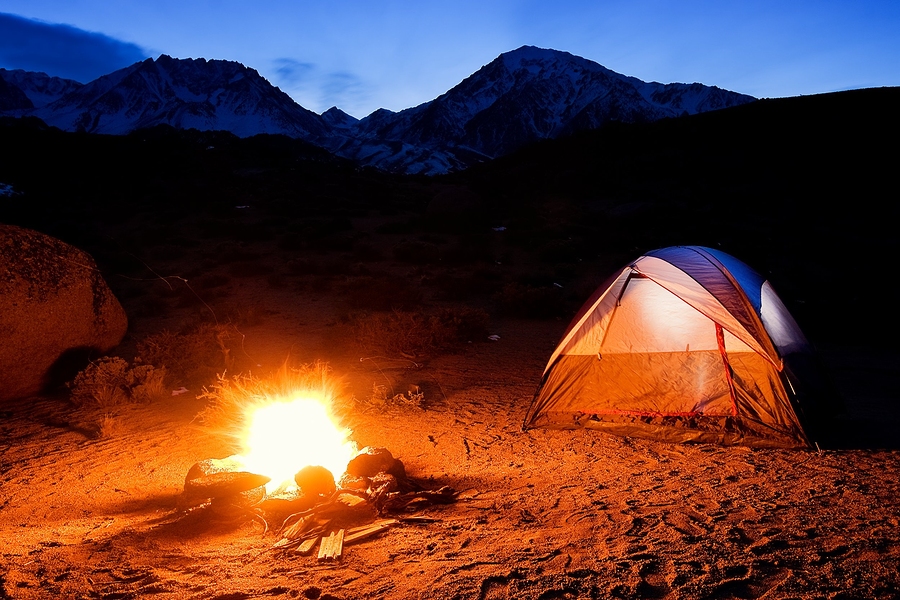
- Fires: Whether you are camping with a tent or in an RV or camper, you will most likely be starting a fire (in an approved fire pit) to cook food or just to enjoy. Make sure that your fire pit is well contained and the area around and above it is free of flammable material. Watch sparks and shifts in the fire to ensure that the flames stay within the pit. Having a bucket of water or a fire extinguisher hand is a very good idea. If a forest or brush fire should start, you’ll want to contact the authorities (in many cases a camping host) immediately. It is not just camp fires that can cause a forest or brush fire. Sparks from motorcycle, ATV or RV tail pipes can also cause a spontaneous fire. If you are bringing any of these “toys” along take to your insurance agent about a personal umbrella insurance policy, which could help mitigate damage and restitution costs if you were found liable or negligent for a brush or forest fire.
- Cleanliness: Not just personal hygiene, but keeping your campsite clear of trip hazards, such as unused toys, firewood, ropes or other items that could cause a trip. Remember that you’re usually leasing a space of land to camp on, but this won’t stop others from walking through your site. Be sure they have a safe place to travel through and that you can’t be found liable for someone injuring themselves while being in or around your RV (should you be using an RV). You can protect yourself with vacation liability insurance coverage that is available with specialized RV policies such as those offered by Progressive Insurance.
At Pacific Ridge Insurance we want you to enjoy your summer camping trips. While we can’t assist you with building fires and setting up a campsite, we can help ensure that all your RVs, ATVs and motorcycles are insured with the right policy to fit your needs and budget. Give your Klamath Falls, OR Pacific Ridge agent a call and see the difference of working with an independent agent. You can also visit our insurance website 24/7 for more information about the other insurance products we sell, like home insurance or auto insurance.