Replacement cost vs. Actual cash value – What does it mean?

An insurance policy’s usefulness is determined by the policy language used. Specific policy language determines what is covered, what is excluded and the amounts covered under the policy. Reviewing your insurance policy language every now and again may be helpful in the event of a claim, as you would have a better understanding of what may be covered.

Insurance policies are full of language and terms that may not be clear right off the bat. Many terms are specific to the industry and to the specific type of insurance that is being purchased. Two such terms are Replacement Cost and Actual Cash Value. These terms can be a bit confusing to decipher between.

Replacement cost vs. Actual cash value in Oregon:

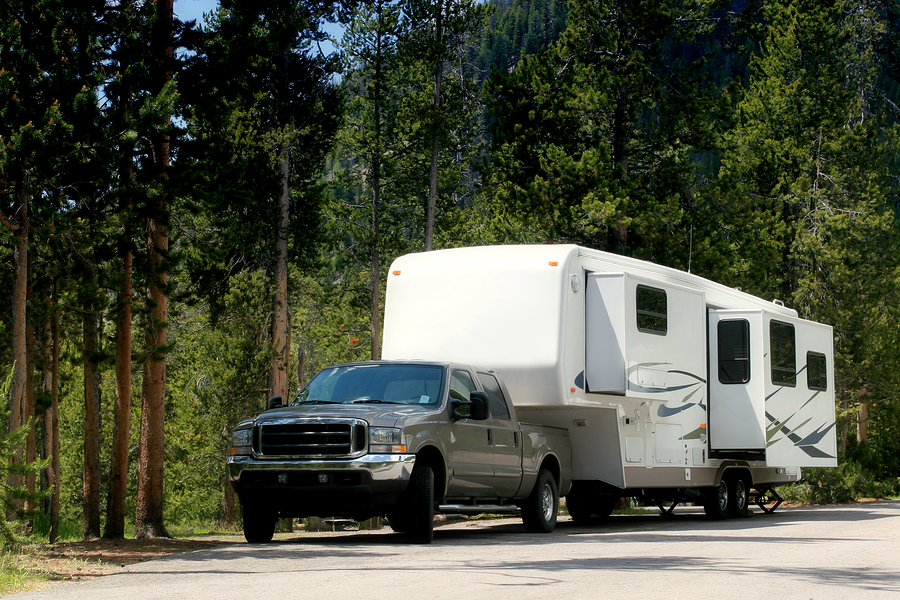
  • Replacement cost is very simple: It is literally the cost to replace your item with an item of similar quality. Replacement cost policies tend to be a bit more expensive since you are essential getting a brand new item for one that may have otherwise depreciated. Replacement costs are agreed upon by all parties before the insurance policy is finalized. If you have high-ticket items (jewelry, art, RV, boat, luxury vehicle or classic car) this may be the best type of coverage if you can afford it.
  • Actual cash value is the cost to replace the item minus any depreciation. For example, if you were in an auto accident and you had an actual cash value policy, your insurance would pay out the cost of the vehicle minus any depreciation, so if your vehicle is worth less than what you owe you would be responsible for paying that difference out of pocket, unless you had gap insurance. An actual cash value policy can put you in a tight spot if your items cost more to replace or repair than your policy pays out. Depreciation values for big ticket items like RVs or luxury cars can be quite large, so make sure that you have a nest egg and be prepared to pay some out-of-pocket for a loss if you have an actual cash value insurance policy.

No matter which policy type you choose, the local experts at Pacific Ridge Insurance can answer any questions and walk you through the different types of scenarios to see which policy type is right for your situation.  Pacific Ridge Insurance in Klamath Falls, Oregon can guide you through your homeowner’s insurance policy and more, like auto insurance. Their years of insurance experience can save you a bundle, and they live right in your area, so know first-hand what your insurance needs might be.  You can also visit their insurance website 24/7 to learn more about the insurance products they offer.

“What does my condo insurance policy cover?”

Congratulations, you’ve purchased a condo!! Home ownership with little or no yard work. You can remodel your kitchen, paint the walls and enjoy your new space. During the purchasing process your agent probably told you that the homeowner’s association insures the building, the walls and the physical structure of your unit. What that insurance does not cover is the personal contents of your unit or any remodeled or upgraded areas within the unit.

Condo Insurance 101 in Oregon:

  • Why do you need it: While your walls and building are covered in the event of destruction, your belongings and any upgrades are not. You are responsible for the physical contents, additions and upgrades in your unit. Condo insurance also provides liability coverage should a negligent act by you (fire, water damage, glass breakage, etc.) affect units other than your own. Say you left the bathtub running and it overflowed causing damage to the unit below. Your condo insurance would cover the damage to the unit below you as well as repair the damage to your unit, after a deductible. Pro tip: never leave your bathtub running unattended.
  • What may be covered: Like a renter’s insurance policy, your belongings are covered up to a certain dollar amount. Like a homeowner’s insurance policy you can add scheduled property like art, jewelry and other collectibles. A condo insurance policy also includes a negligence and liability portion in the event that you damage a unit other than your own, the common areas or if someone is injured in your unit. A condo insurance policy may also include reimbursements for living expenses if your condo is unlivable and needs to be repaired.

Having the proper amount of condo insurance coverage may help protect you from having to pay out of pocket for liability claims or damage to your unit. There are several options when it comes to the condo insurance you feel is appropriate for your needs and budget. Have questions? Talk to your local, independent insurance agents at Pacific Ridge Insurance. Pacific Ridge Insurance in Klamath Falls, Oregon can guide you through a condo insurance policy and add additional coverages like flood insurance or earthquake insurance. Their years of insurance experience can save you a bundle, and they live right in your area, so know first-hand what your insurance needs might be.  You can also visit their insurance website 24/7 to learn more about the insurance products they offer.

What are my insurance options for rental car coverage?

You know (or should know) exactly what your auto insurance covers if you get into an accident with your vehicle. But what if you are driving a vehicle that is not yours, specifically what if you are driving a rental car? Whether it be for a business trip, vacation or just a loaner while your vehicle is in the shop, driving a rental car is an experience we all share. Does your auto insurance coverage extend to your rental car?

Auto Insurance Coverage for a Rental Car in Oregon:


  • Your auto insurance: Liability coverage is required by law, though amounts vary by state. If you have collision and comprehensive insurance coverage on your primary vehicle insurance policy the coverage typically transfers to your rental car as long as all vehicles you own are insured. If you are involved in an auto accident in your rental car the damage should be covered under your Collision and Liability policy*. Typically this means any collision damage to your rental vehicle or property damages to another vehicle (if you are found to be at-fault) as well as any injuries sustained in the accident may be covered. Collision and Liability will not cover personal effects in your vehicle that may have been damaged in a collision.
  • Insurance from the rental company:  When you rent a vehicle, you are always asked if you would like to purchase rental car insurance. This decision is purely up to you. If you have Collision and Comprehensive insurance it may be a bit redundant, however if you don’t carry the coverage it will be required to be purchased from the rental company. Insurance from the rental company typically covers theft, vandalism and collision damage to the vehicle, though there may be excluded events like damage that occurs while driving under the influence. Each rental insurance terms will vary, so it is best to discuss what is covered and what is not with the specific rental company. In terms of liability coverage, the rental company insurance policy typically includes a one million dollar limit, however this can vary between companies. Insurance from the rental company is usually fairly inexpensive, typically starting in the $20 per day range.
  • Extra protection: A simple way to get extra insurance protection in the event you are found negligent or liable in an accident is to have a personal umbrella policy. A personal umbrella policy will often extend your coverage to a rental vehicle. Not used in cases for minor fender-benders, but if you are in a serious accident and an injured party has high medical bills, a personal umbrella policy could protect your assets.

*Every claim is unique. To ensure that you’re properly covered, it is requested that you speak with your insurance agent to ensure you have the right coverage in place and that that coverage will transfer to your rental vehicle.

Your auto insurance policy does likely offer limited coverage with a rental vehicle and for most folks that is enough coverage. If you plan on having personal items in your vehicle or will have your rental car for an extended period of time, having additional coverage from the rental car company may be a smart move. Find yourself needing a rental car? Talk to the experts at Pacific Ridge Insurance in Klamath Falls, OR. Your local, independent insurance agents can walk you through what may or may not be covered by your current auto insurance policy and help you decide if additional coverage is right for your situation. They can also assist you with a personal umbrella policy. You can visit their insurance website 24/7 for more details.